



Hot Garden Tips for Surviving 110 Degrees

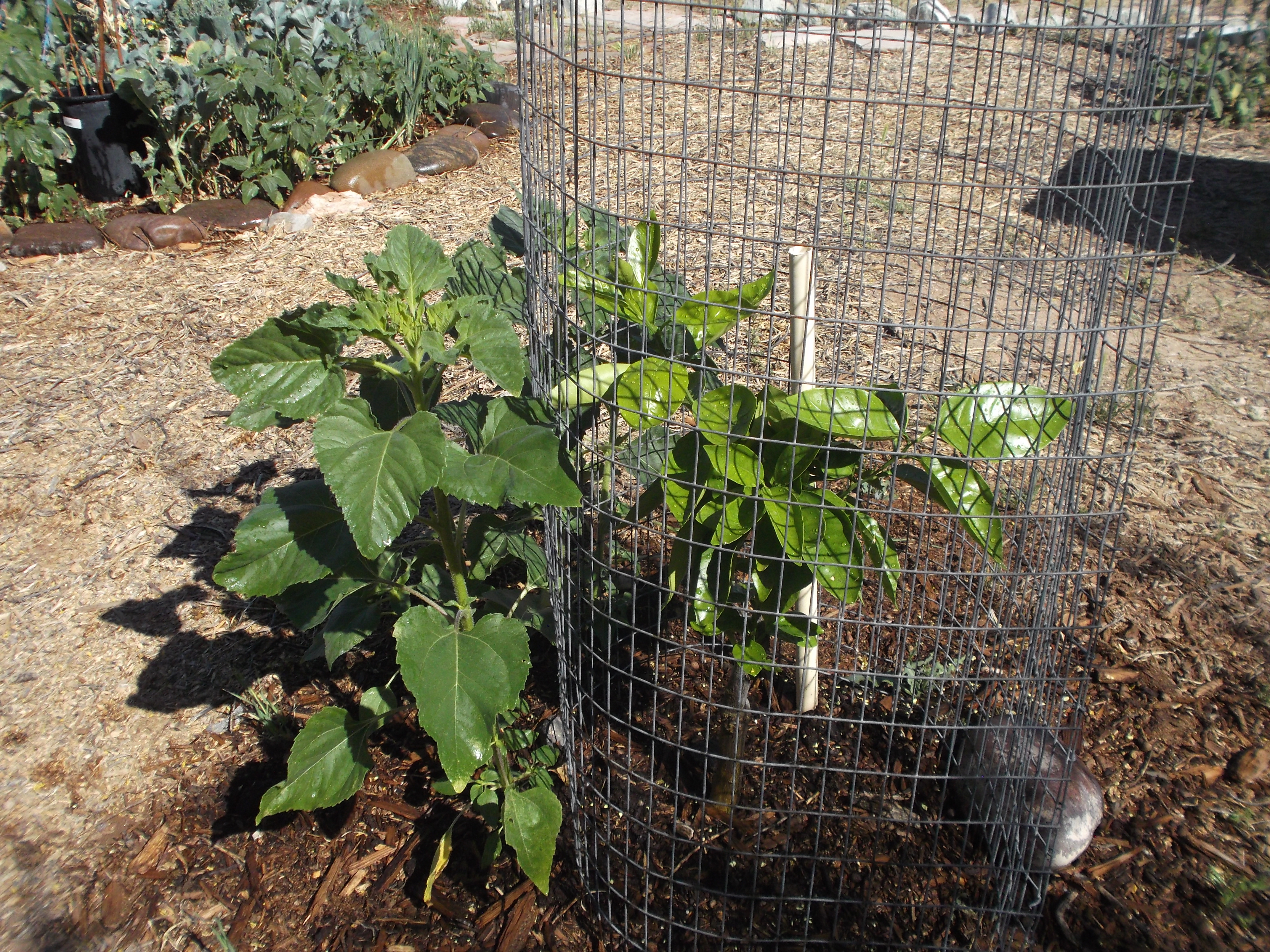
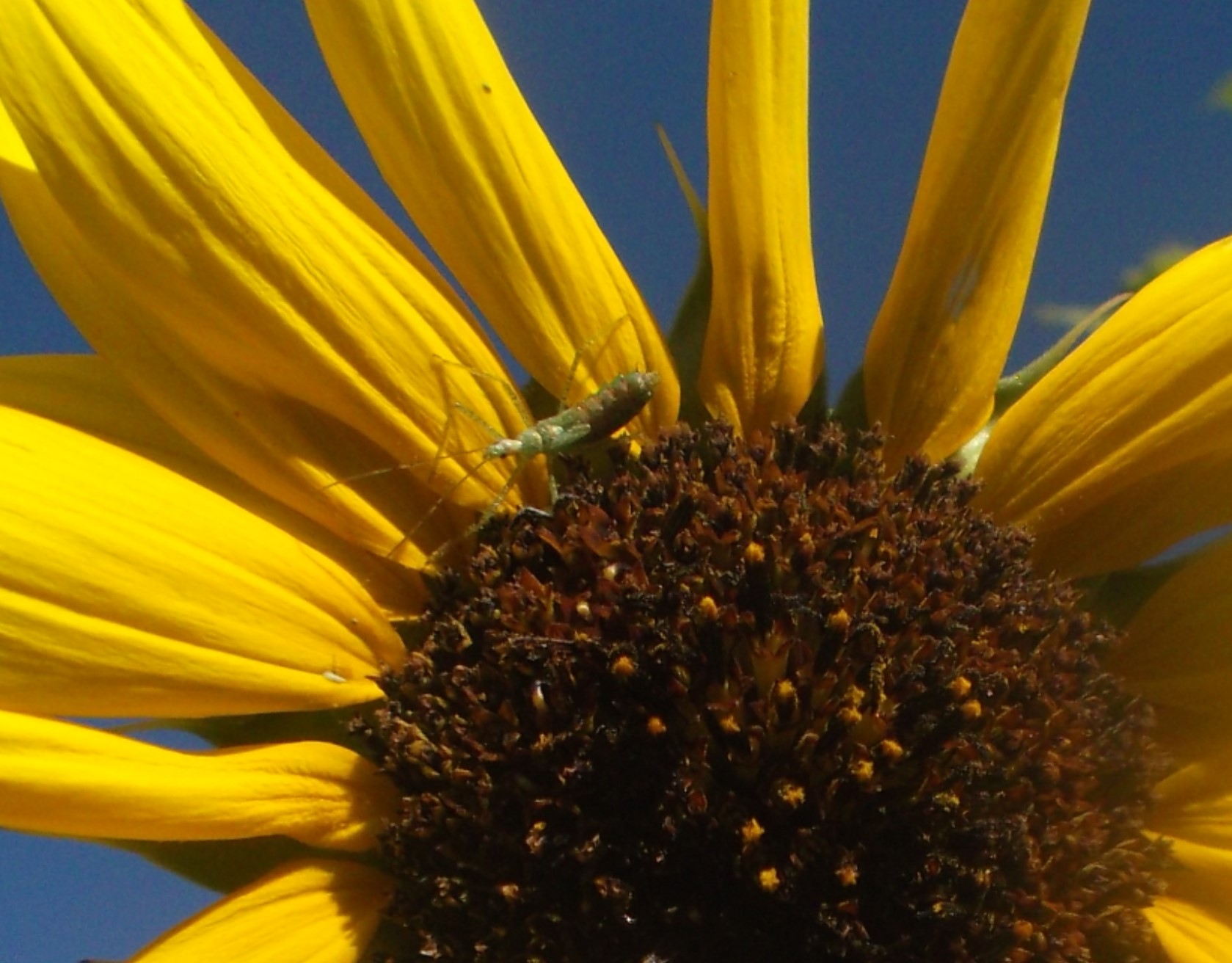
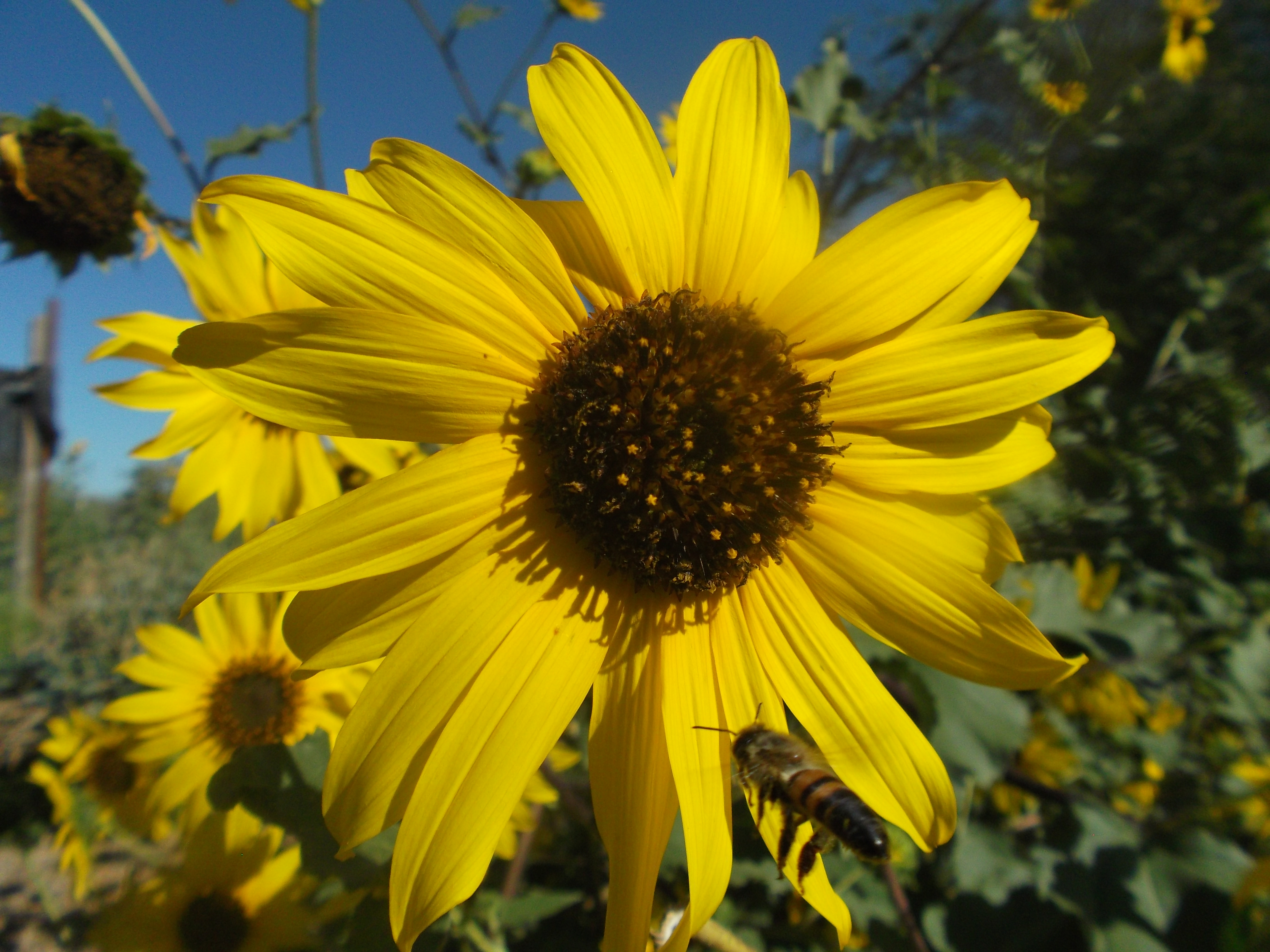
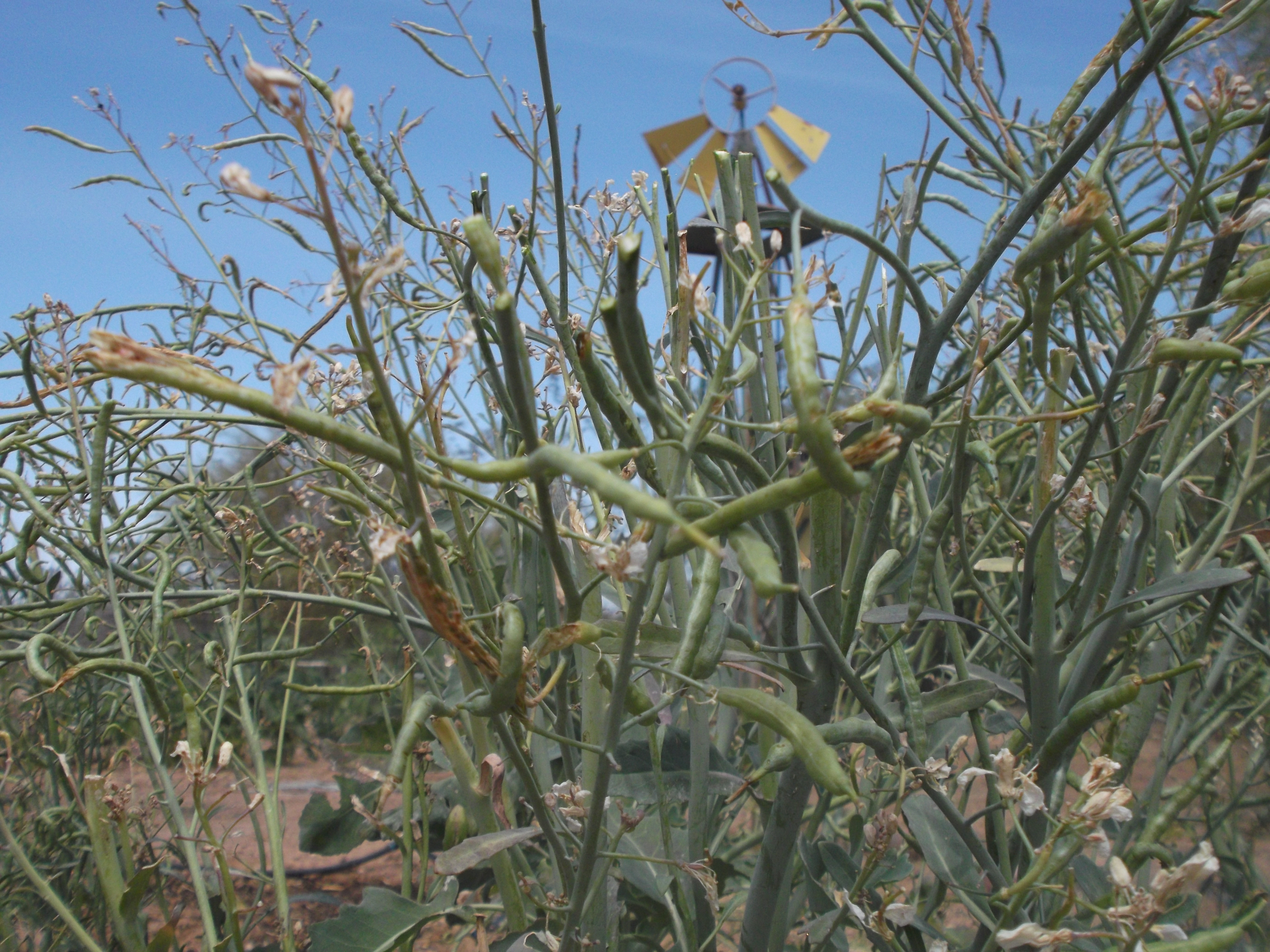
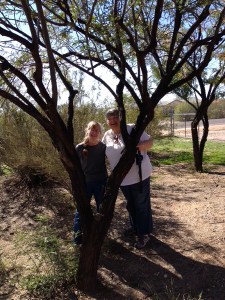
Sunflower protecting young citrusA wide-brimmed garden hat shades my head, a soft bandana covers my neck, and sunblock protects my delicate skin. I water the garden and feed the goats and turkeys early in the morning while the sun barely peaks over the horizon. By the 9:00 am, it will be too hot to be outside.
Routine highs topping 110 degrees makes gardening in the low desert challenging—for me and also the poor plants. Continue reading Hot Garden Tips for Surviving 110 Degrees

Antique/Vintage Morse Sewing Machine

Antique Morse Sewing Machine_1Antiques are like sponges that have absorbed the history and ‘everyday living’ that occurred during the objects’ existence.
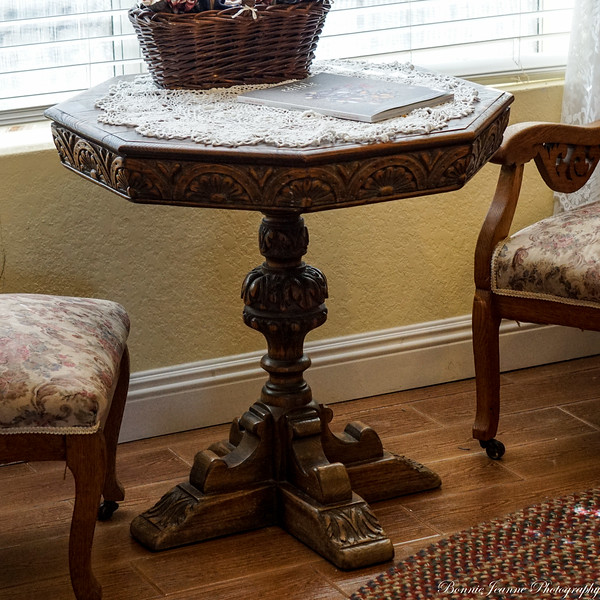
People sensitive to these accumulated vibrations, like myself, can’t resist collecting the treasures.

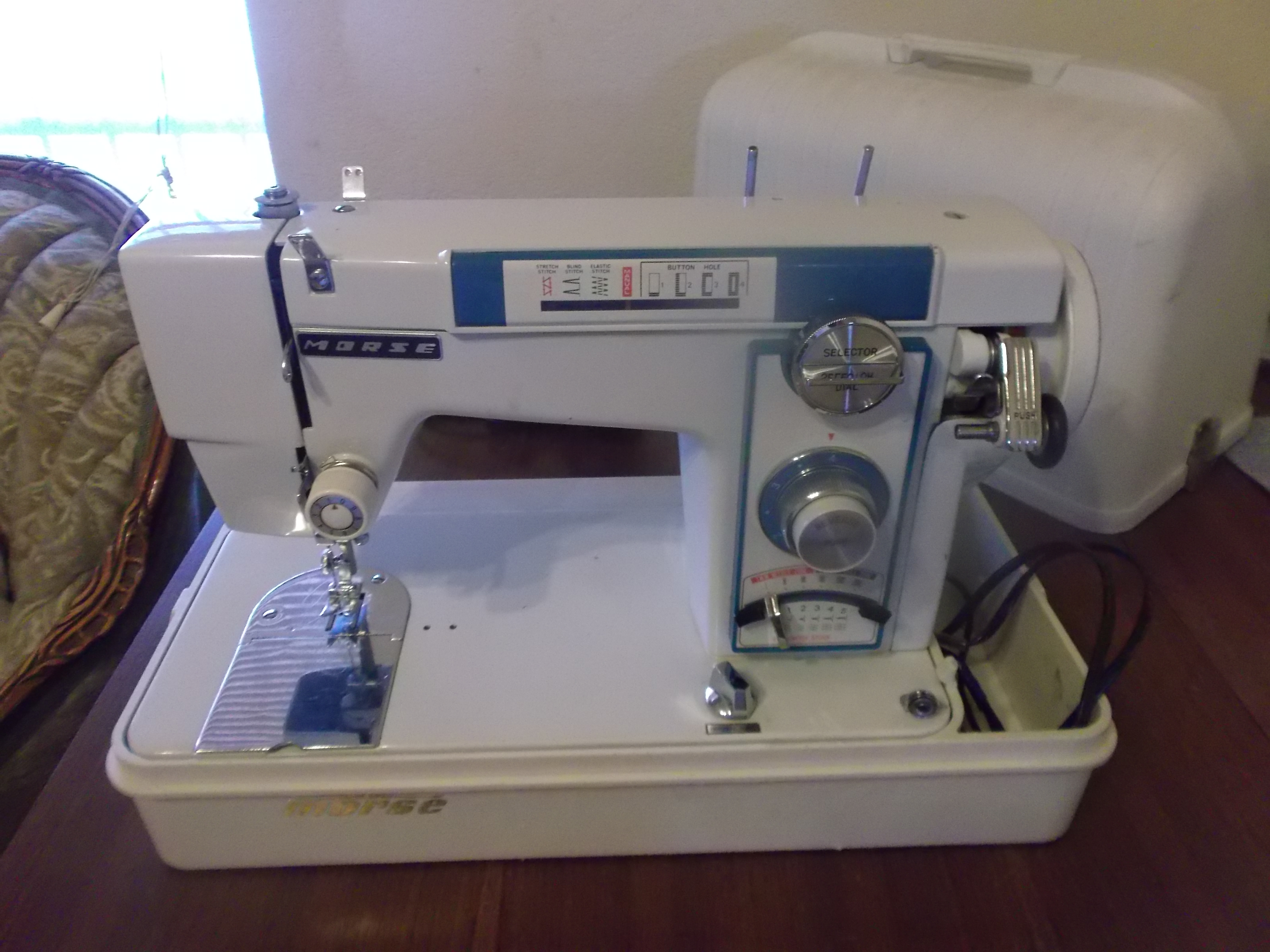
Precious memories reside in the pine chest of drawers Dad made when I was born as well as the four-poster maple bedstead my aunt refinished in 1950 and subsequently passed down to me. The picture attached shows a portable Morse sewing machine Mom and Dad purchased in 1971 at a local swap mart as a gift to me. Even at age eleven or twelve, I understood the value of the gift and the love behind it. Continue reading Antique/Vintage Morse Sewing Machine

Star-Crossed Family (2 ½ weeks) The Cycle of Life

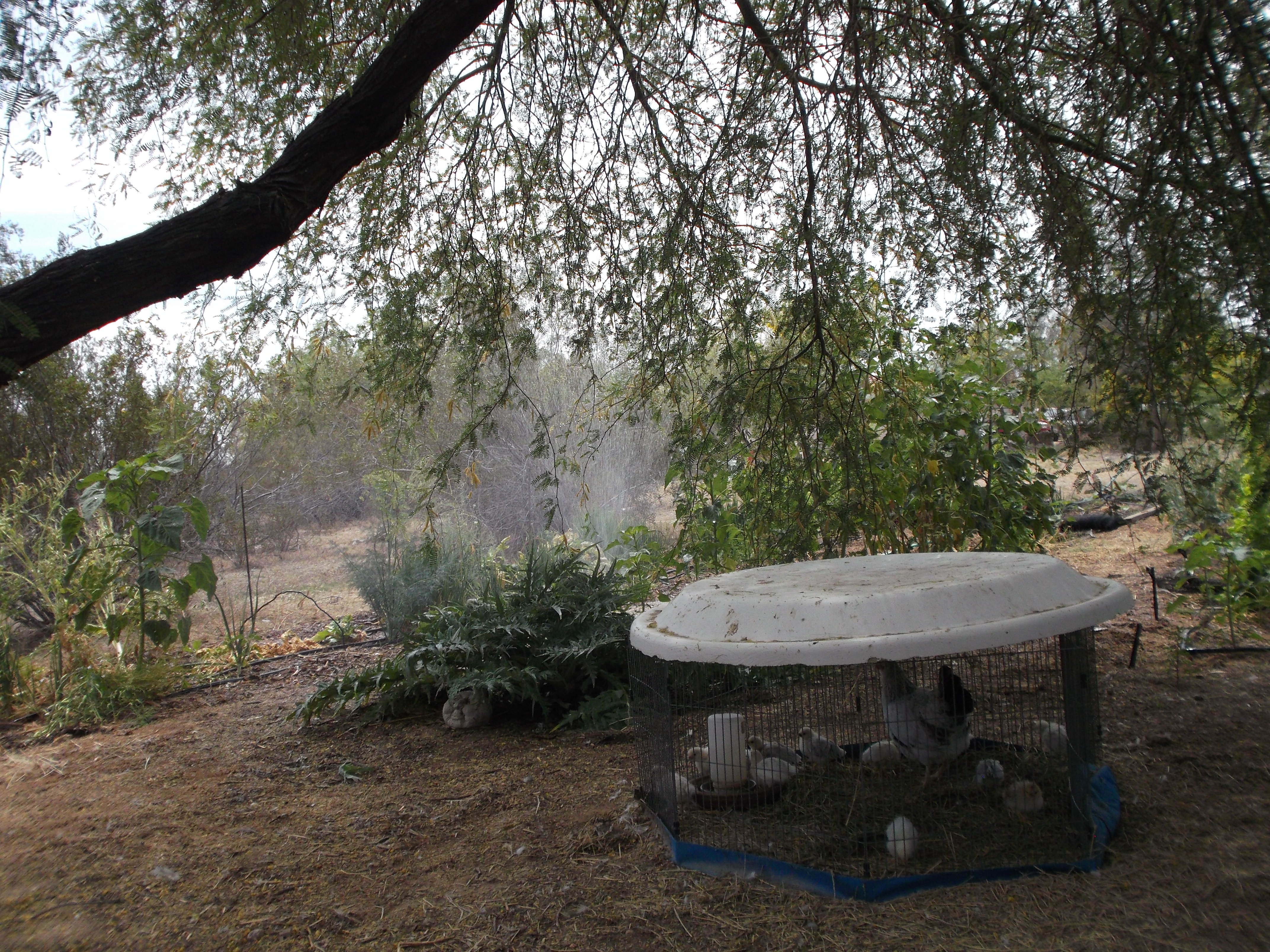
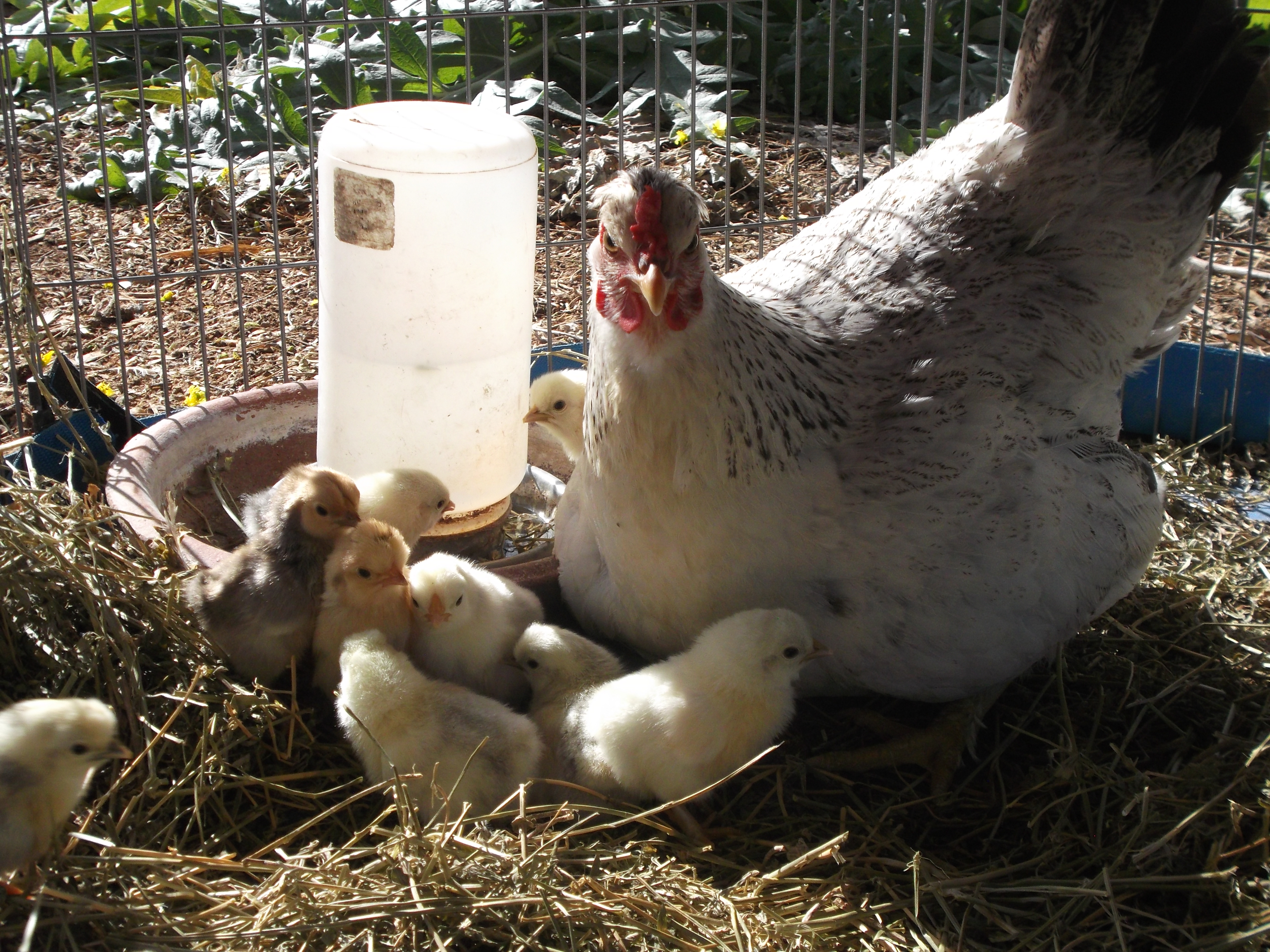
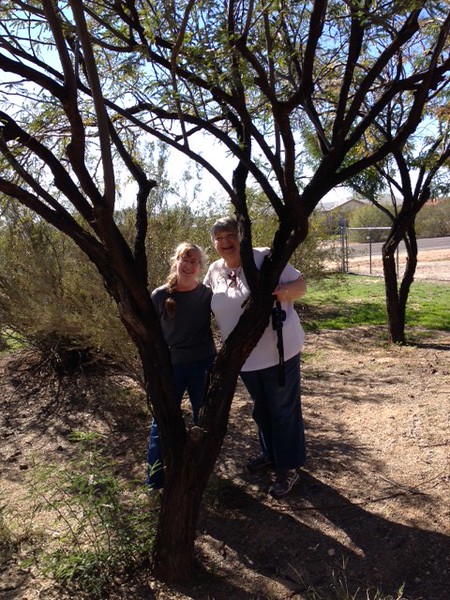
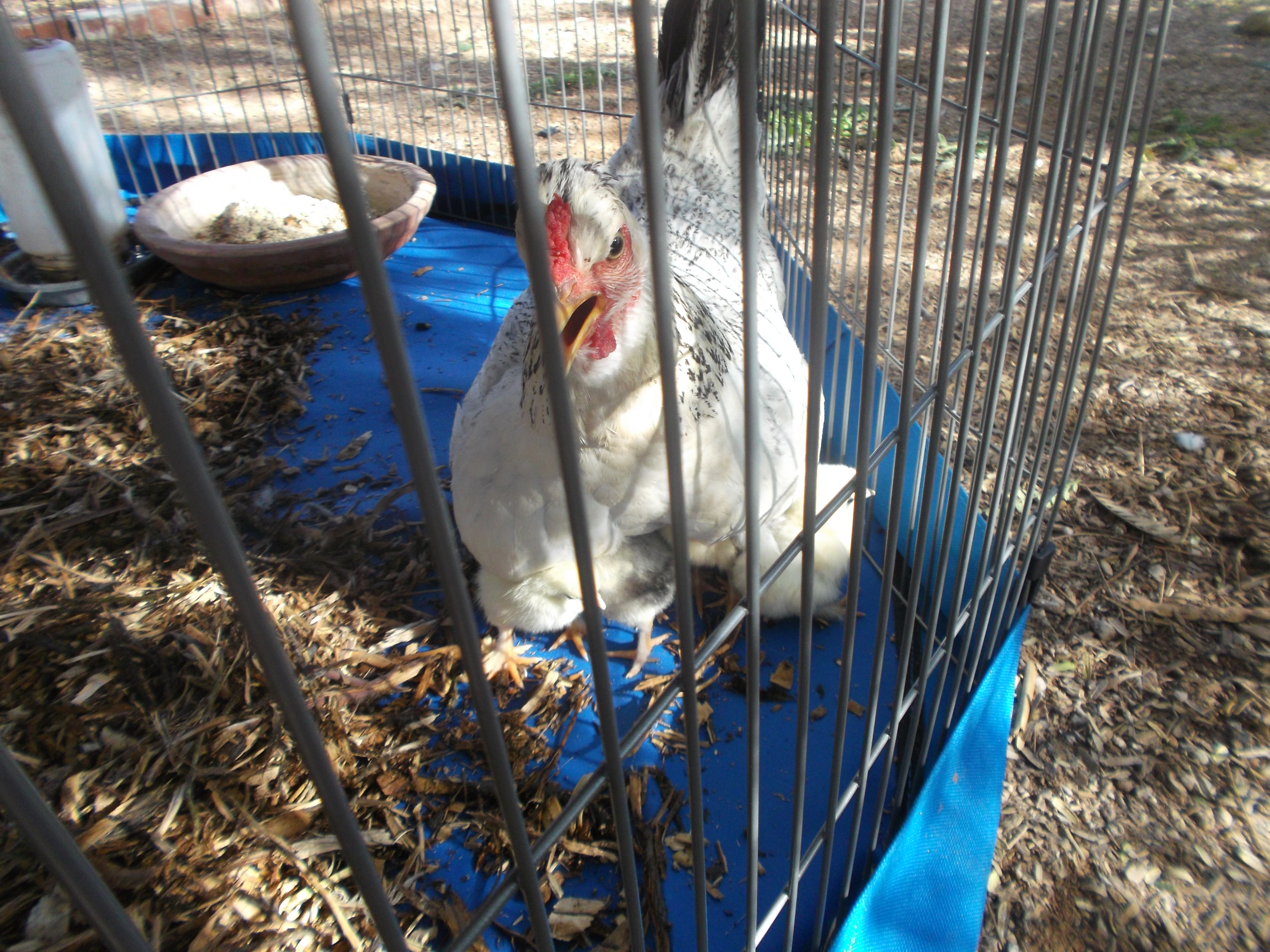
Embrace of the mesquiteOne dozen chicks, 18-days old, peck around the pen with their mother. They thrive, safe and healthy, beneath the leaning embrace of a mesquite tree in the corner of my vegetable garden.

The hen busies herself with her brood, barely noticing that her star-crossed mate has met with tragedy. As the chicks grow and become independent, she will miss the bantam rooster that walked beside her only weeks ago—and I will, too.

As I watch the babies argue over mashed grain, three other chickens sneak behind the back garden fence. These adolescent birds were from an earlier hatch. I’m not surprised when one raises his head and screeches—a pitiful first attempt at the art of crowing, which takes time to master.

It reminds me that the cycle of life continues.

Adolescent Chickens

The Star-Crossed Chicken Family (Day 3)

Protective mother Tragedy

a true story

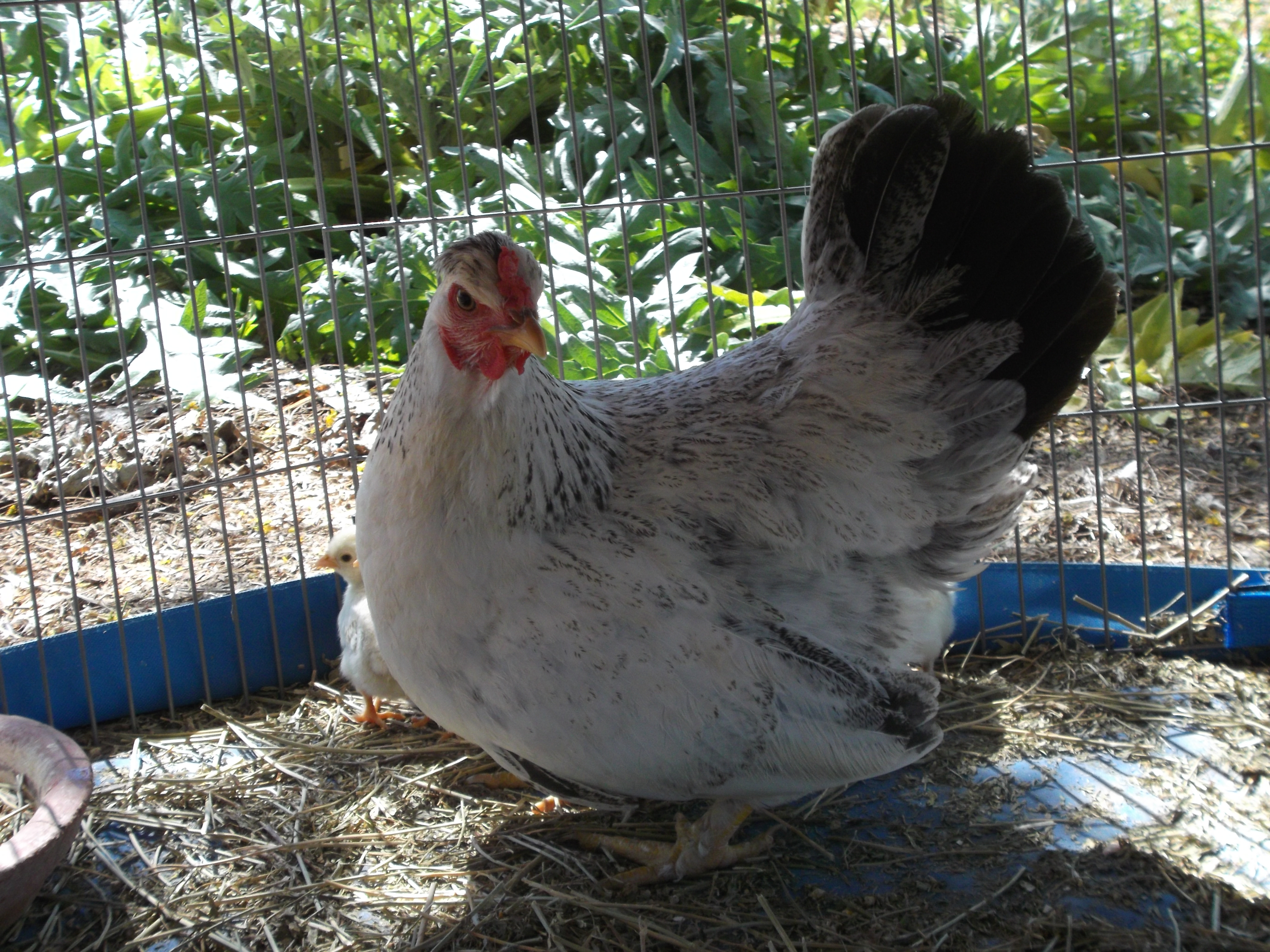
My presence makes the little bantam hen nervous. She hides a dozen new babies behind her body as I try to take a picture.

Such a good mother!

The chicks chirp excitedly when I scatter mashed grain into the pen. Then I sit down in a lawn chair to rest and watch them eat.

A noise startles me, so I look up. Continue reading The Star-Crossed Chicken Family (Day 3)

Star-Crossed Lovers

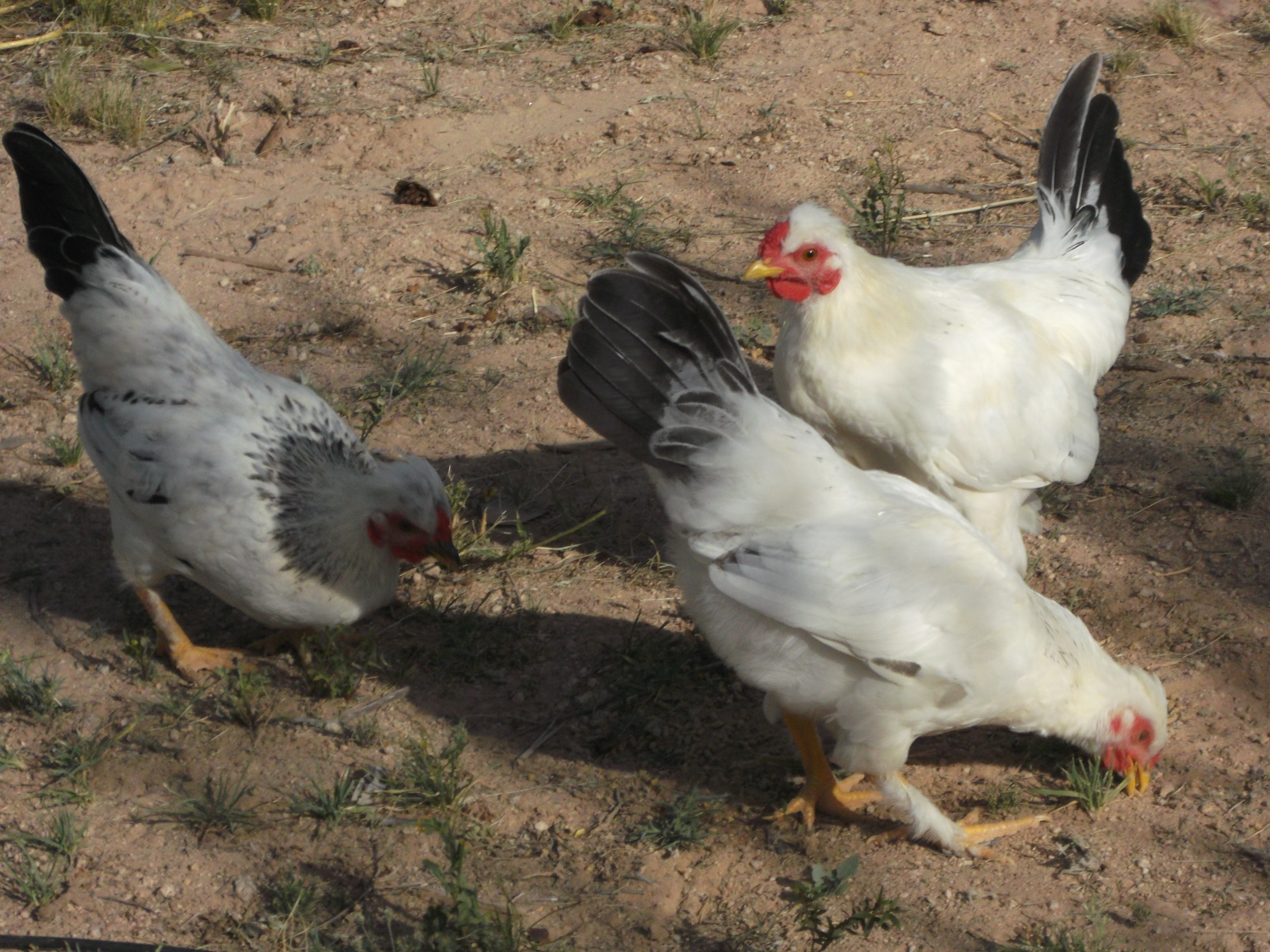
MotherHenDay1_032515a As I feed the animals each morning, I check on a mother hen that’s setting a clutch of eggs. This small mixed bantam and her handsome rooster have free range of my property. They’re so cute walking around like a matched pair of fluffy socks.

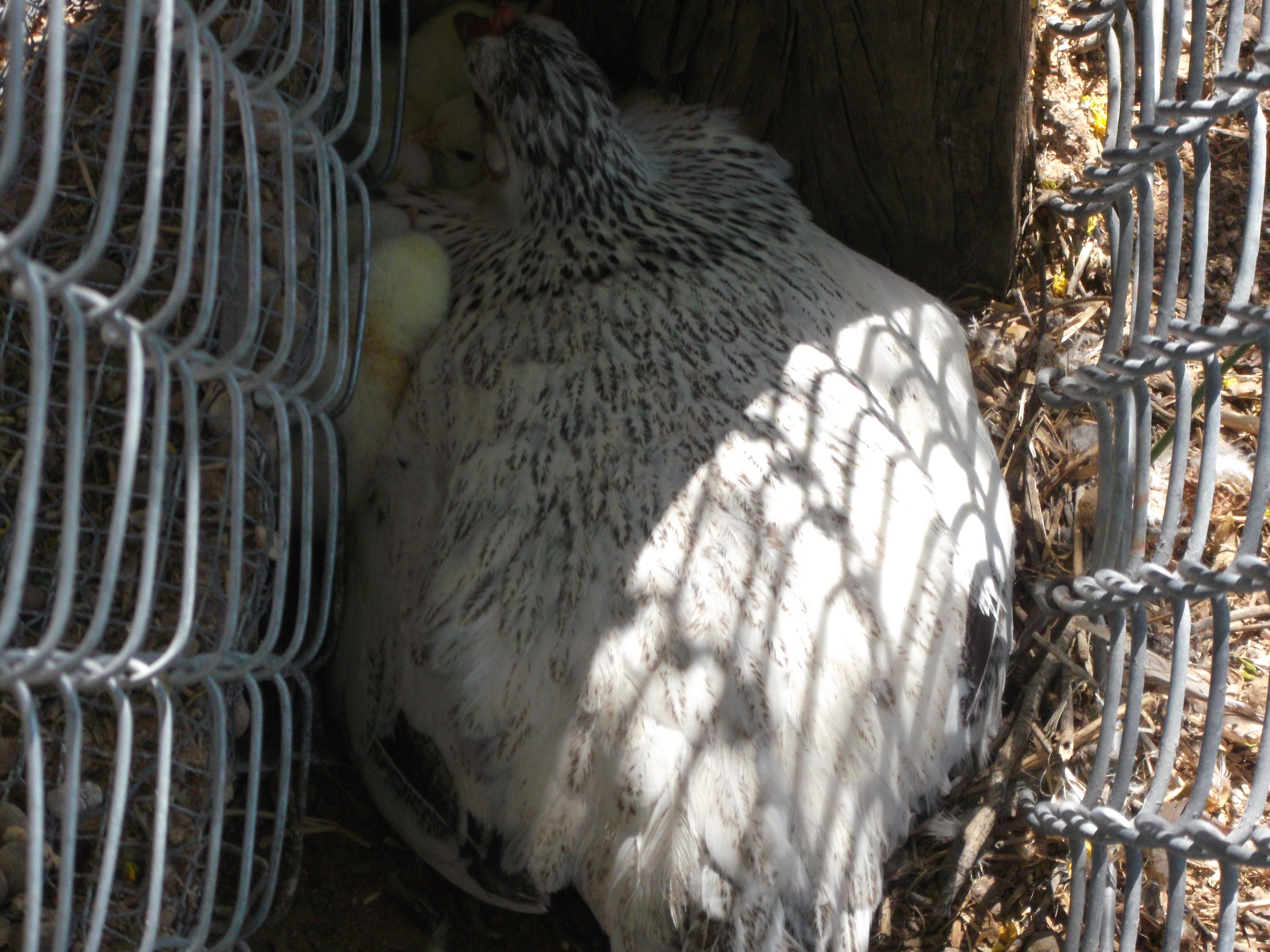
Three weeks ago, though, the lady stopped strutting with her mate. She wasn’t difficult to find because the male stood guard over her like a sentry. He pecked and scratched at the ground in search of food but remained within sight of the female. These two star-crossed lovers were a family.

The hen had wedged herself between two closely spaced chain-link fences. There she stayed silent and still—beneath the watchful eyes of the rooster. Continue reading Star-Crossed Lovers

Extend the Broccoli Season

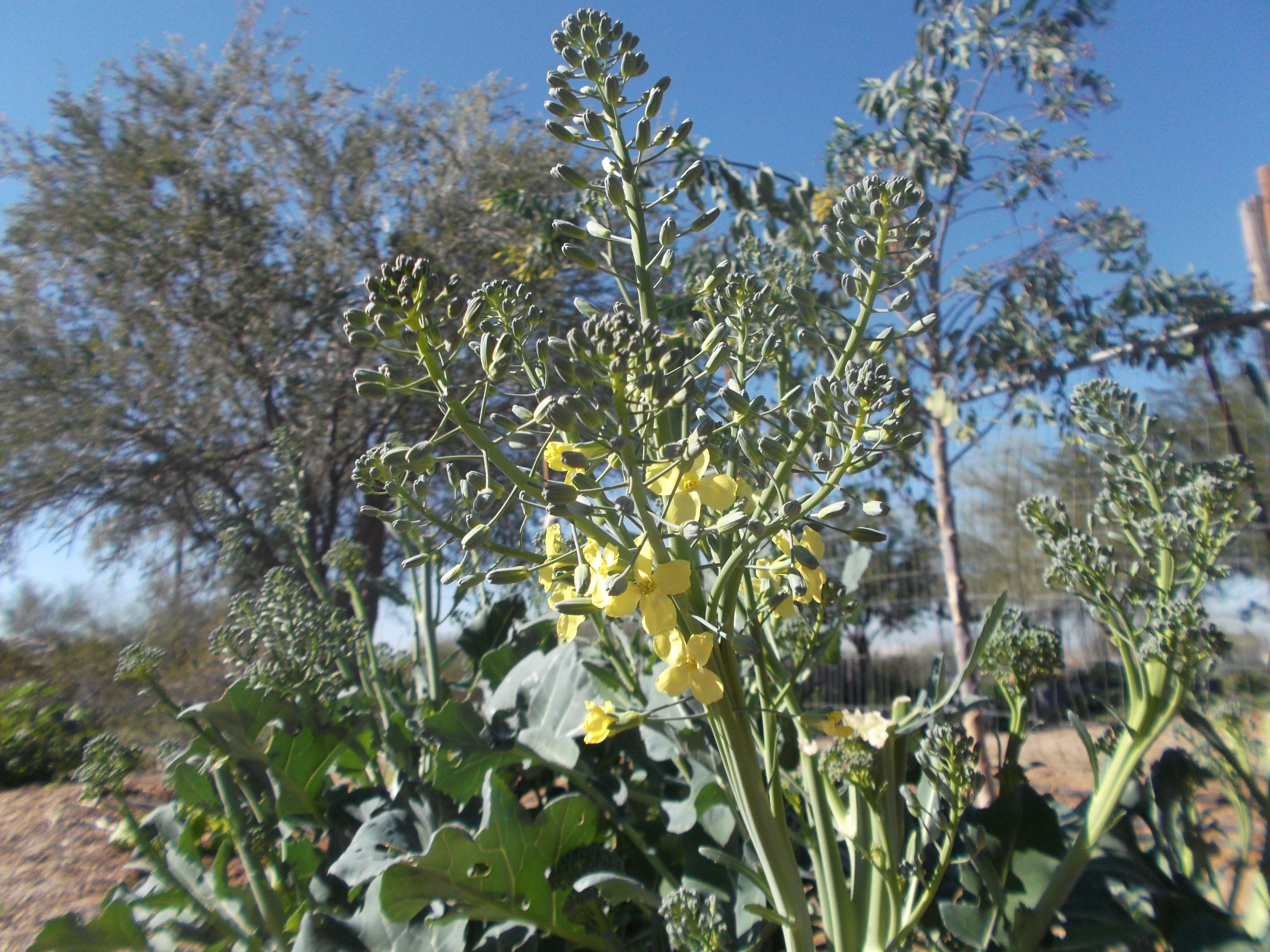
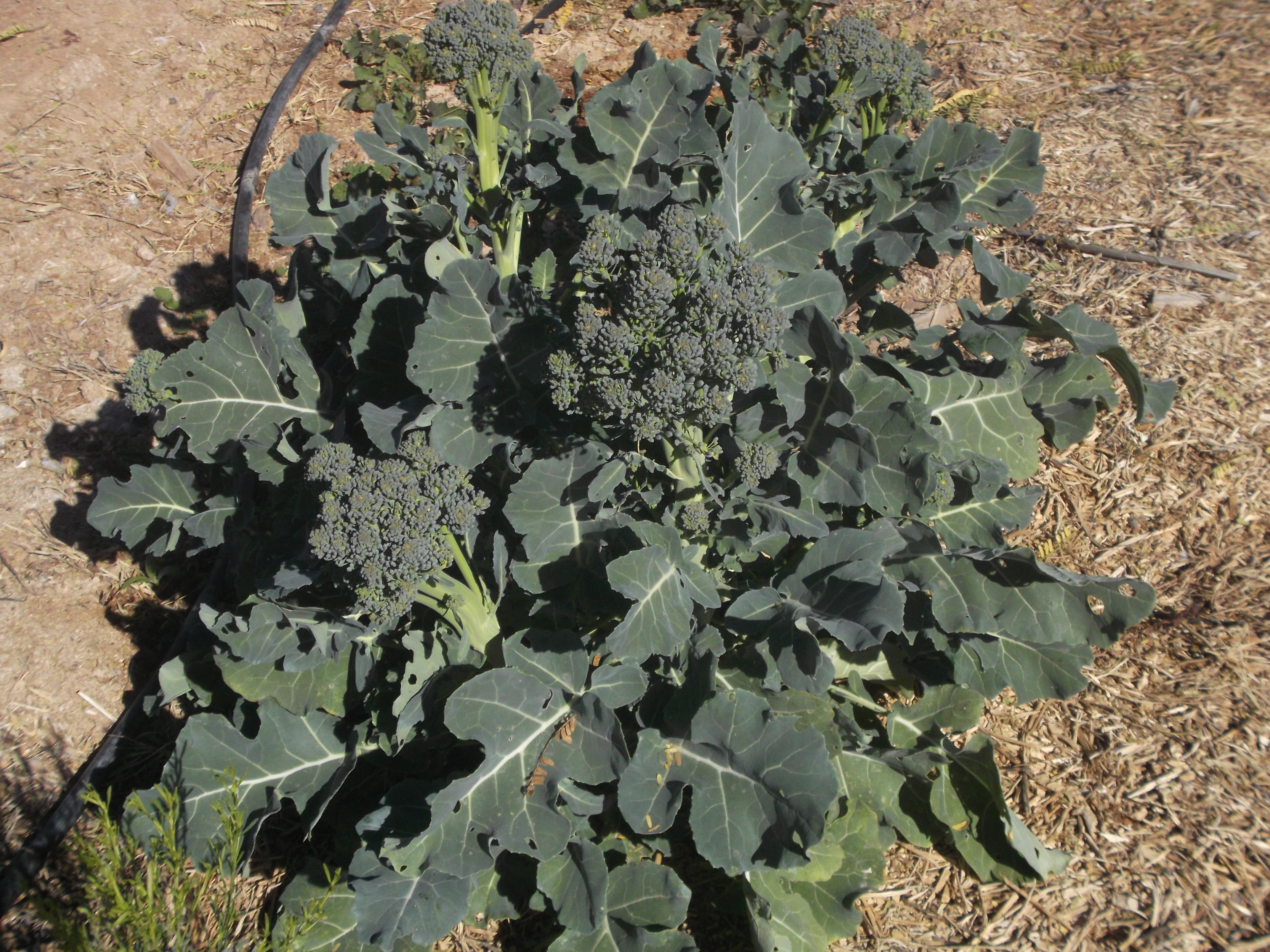
Broccoli offshootsWarm spring breezes waft through my Arizona garden, telling my vegetables that a change of season lies ahead.

The broccoli sown last fall begins its reproductive cycle. Nature tells it to lift upwards to the sky, flower, and set seed. Many plants turn bitter when this process begins and must be pulled out of the garden. Broccoli, however, retains its flavor better than some veggies, such as lettuce.

The heirloom varieties I grow produce one small central head. After removing the crown, I leave the plant in the garden to produce small offshoots (two – three inches wide). Production continues until the weather becomes too hot.

I use a colander and a sharp knife each morning to harvest offshoots. If any stems have begun to flower, I snip them off and give them to the chickens or compost them. Trimming the plants each day keeps the crop in production, extending the harvest. I gather more produce from the offshoots than from cutting the central heads.

Winning the Battle with Caliche

Caliche_030915Calcium carbonate forms a concrete-like bond which turns dirt into a rock called caliche.

The first time I saw caliche was when my daughter, Tiffany, purchased her first home. A pale brown concrete-like substance covered the back yard. Not a weed or a single blade of grass broke through the hard pan. It was barren.

She and her husband dug holes for two trees with jackhammers. Tiffany wondered how to reclaim her yard so that she could have plants like the rest of the world. I had no idea how to help. Continue reading Winning the Battle with Caliche

Lettuce Tree?

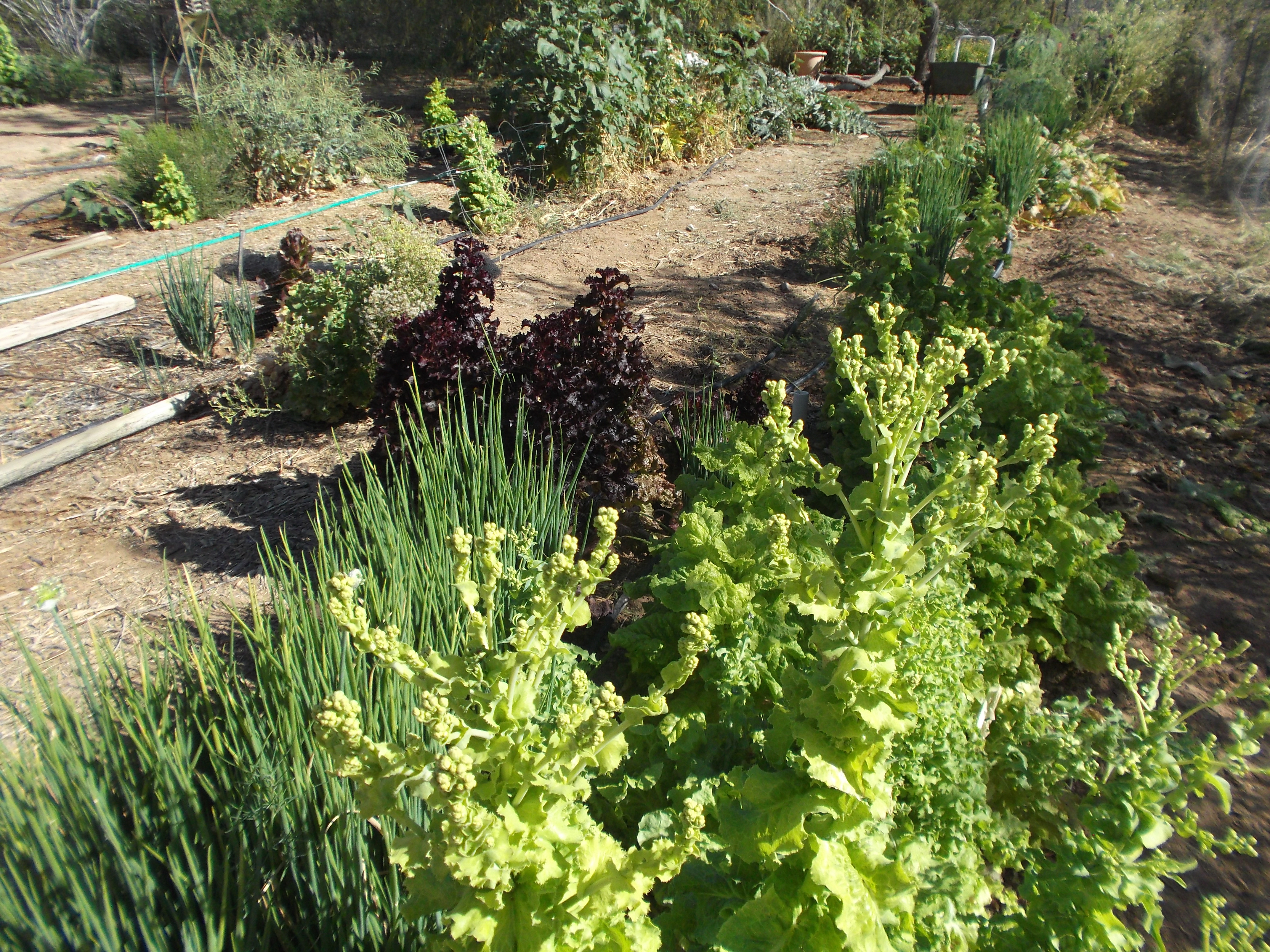
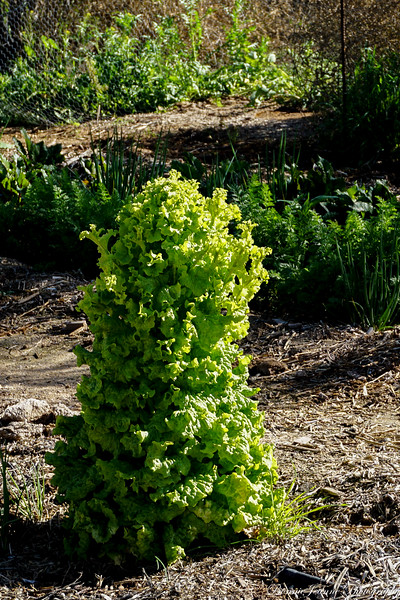
26 lettuce tree-1-LNo, it’s not a tree at all! Just a lettuce plant reproducing.

My grandmother would have said the little guy was “going to seed.” As the plant matured, an ancient process encoded in its DNA caused the stem to elongate and push skyward. Flower buds formed on the top and will soon burst open. This process also caused the leaves to taste bitter.

I don’t harvest the best plants in the garden, but leave them alone to produce seed for next year.

This is another picture taken by my friend, Bonnie Wright, during her last visit. (Bonnie Wright’s Photography)

My Friend Bonnie

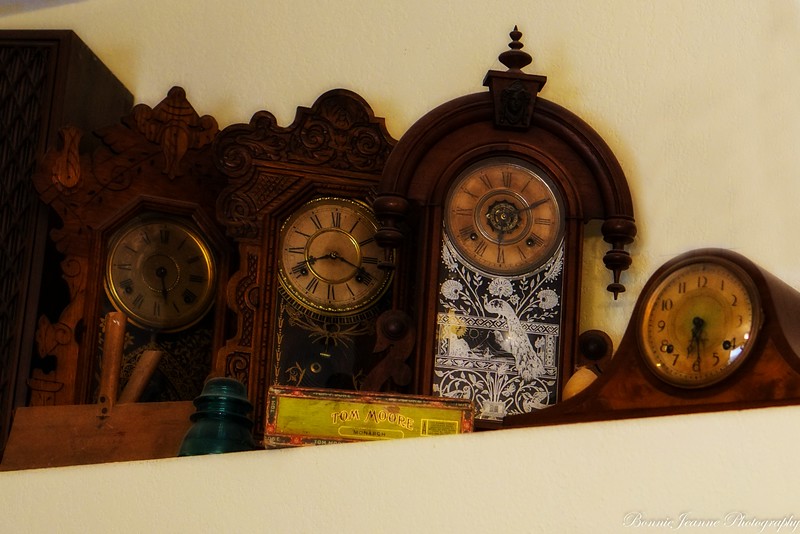
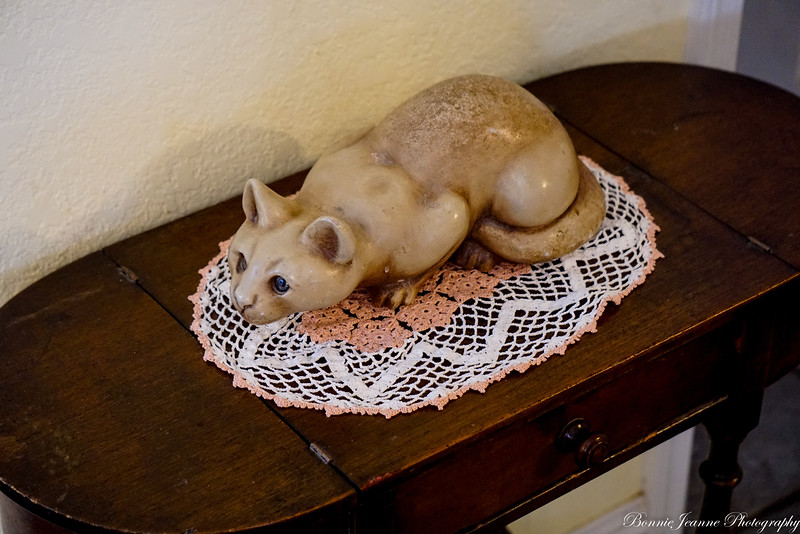
donna and I-L 3- Clocks-1-L 57 cat-1-L 58 table detail-1-L 53 chandelier-1-LBonnie Wright scared me to death when I first met her.

I was employed for fifteen years with a local non-profit. Most of that time, Bonnie was the CEO of that organization. She never gave me any reason to be frightened. In fact, this lady was an awesome, intelligent, and caring CEO; I have fond memories of my employment. But I was just a little country girl employed at a lowly position, and she was—well, CEO. At the time, the gap between our social stations seemed overwhelming—to me, anyway. Over time, Bonnie’s warm personality melted my unwarranted fear, and we developed a lasting friendship.

So Bonnie and her friend, Mary, visited my homestead earlier this month. She brought along a professional-level camera (a nice change from my plastic point-and-shoot). Before they left, Bonnie said she would send me the pictures; I gave them an endangered Tohono O’odham I’itoi onion to take home.

Bonnie is now a professional photographer. Her work reflects the quality and excellence that she devotes to everything she does.

Over the next few weeks, I’ll be sharing some of the photos she took at my little farm. Here is the first installment, entitled, “Our Home.”

The following excerpt from my book, Baskets for Butterflies, describes our house and property. Continue reading My Friend Bonnie

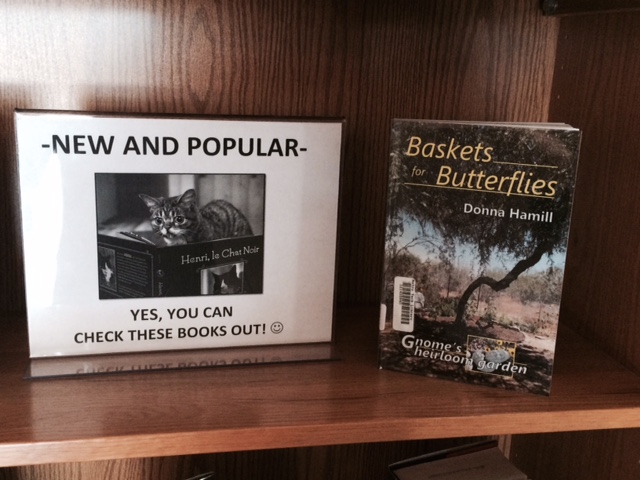
Baskets for Butterflies now available to Metro Tech students.

Ready for checkout
Ready for checkout

It can be at your local school, too!

My editor (and daughter), Tiffany, has donated two copies of my book to Metro Tech High School in Phoenix. We plan to distribute many more books to schools across the valley along with my offer to speak to young people about heirloom gardening, homesteading, or self-publishing.

I would be equally thrilled for anyone else to purchase a copy or two and make this same donation to their local school. My offer to speak is open to any school in Maricopa County.

Belligerent Turnip

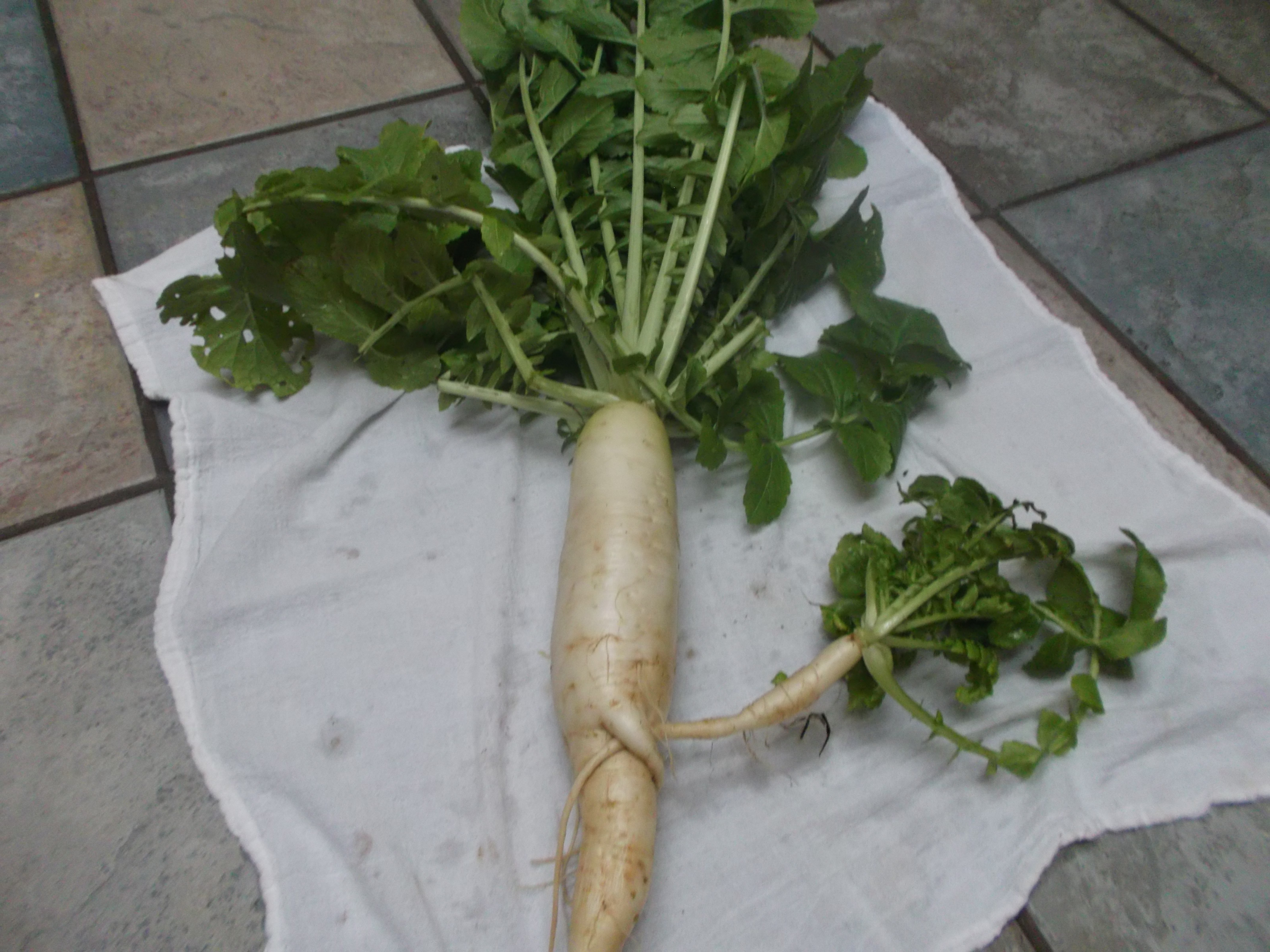
Boule d'Or TurnipThis Boule d’Or Turnip is often called a “Golden Ball.” The arid Arizona climate and sandy soil encouraged this odd fellow to reach deep into the earth rather than form the traditional ball. The root of this little guy also grabbed his neighbor and strangled him to death! It’s survival of the fittest out there in the garden! Continue reading Belligerent Turnip

Last Year’s Broccoli

Broccoli-2nd Year productionI harvested the first of the season’s broccoli…but it was on last year’s plant.

The row of broccoli I planted this fall in my Arizona garden isn’t producing yet. This tough guy, however, survived from last year, through constant triple-digit summer temperatures, to leaf out and produce for the second season. Continue reading Last Year’s Broccoli

“Look…baby chicks!”

Mother and chicksI must have talked to about 800 children today at a fair at Garden Lakes Elementary School in Avondale. All of their faces beamed with joy at the fluffy bundles in the cage.

I told them the story, “A mother hen laid one egg each day until the nest was full. Then she just sat on them for three weeks. The weather was very cold, but she didn’t move. Finally the babies hatched! But the nights were still cold. So the hen gathered them under her feathered arms and snuggled them all night.”

“Where is the mom?” they wanted to know. Continue reading “Look…baby chicks!”

I was enchanted! Can you tell?

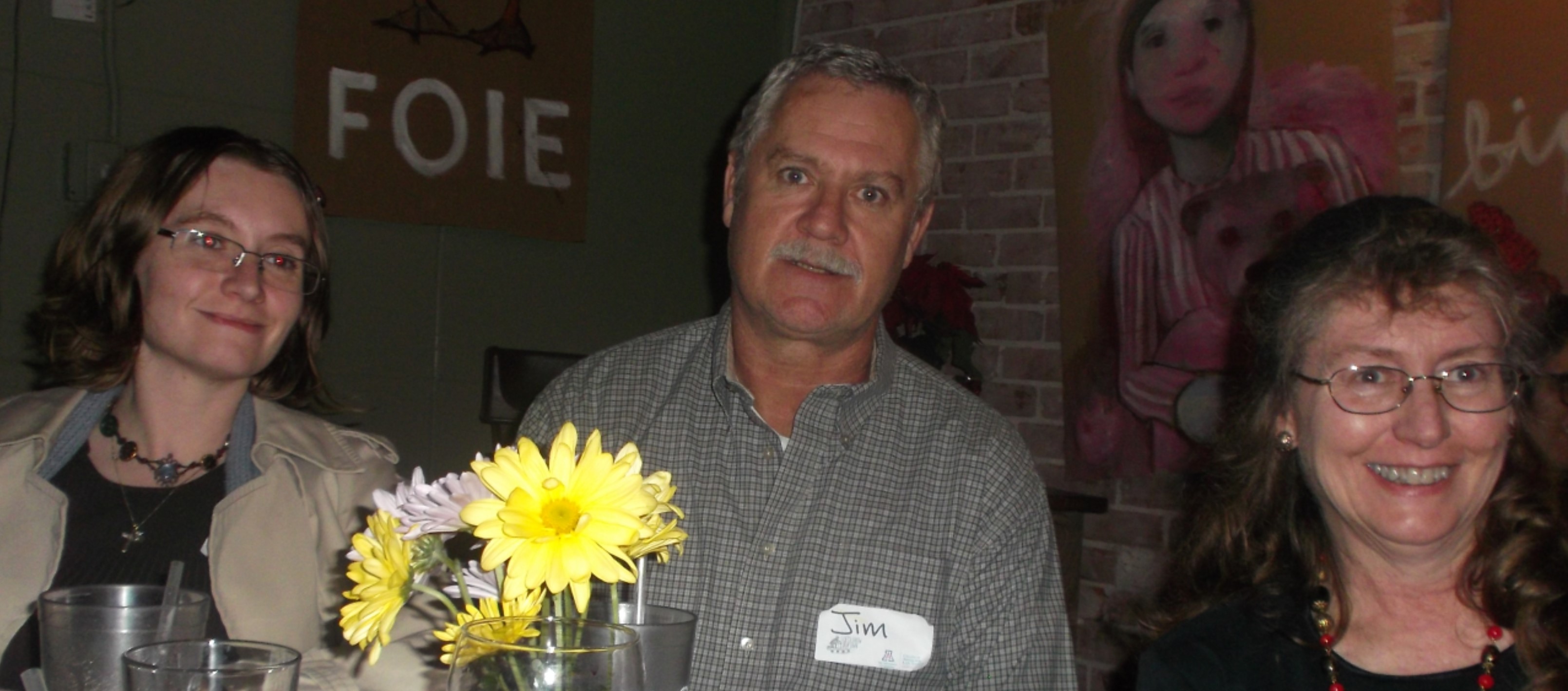
Donna with Jim and TiffanyDonna Hamill pictured with husband Jim and daughter Tiffany.


The awesome speaker (not pictured) was Dr. Gary Paul Nabhan.

The internationally-renown author spoke on January 12 to a group of beginning farmers about the challenges and opportunities for producers growing for local markets. The mixer was presented in association with the University of Arizona Cooperative Extension, Maricopa County, Master Farmers Program.

I was pleasantly surprised when the world-famous Gary Paul sat at our table briefly to sign my books (three of my least-tattered copies). I will treasure that moment forever! Continue reading I was enchanted! Can you tell?

Meeting Gary Paul Nabhan is on my life-long bucket list. I’m giddy with anticipation!

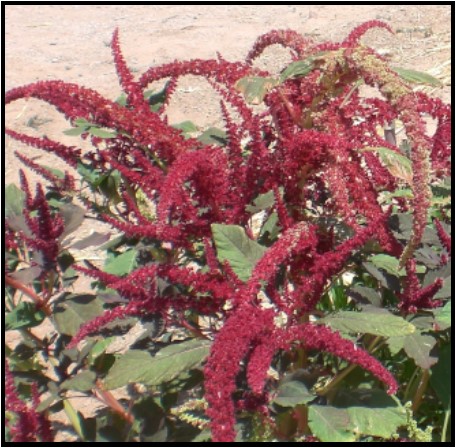
Aug_Amaranth_092114Dr. Gary Paul Nabhan co-founded Native Seeds/SEARCH (www.nativeseeds.org), a non-profit dedicated to conserving and promoting arid-adapted crops throughout the US and northwestern Mexico. I’ve been buying precious, endangered heirlooms from this organization for twenty years, which was my introduction to the work of Gary Paul. Continue reading Meeting Gary Paul Nabhan is on my life-long bucket list. I’m giddy with anticipation!