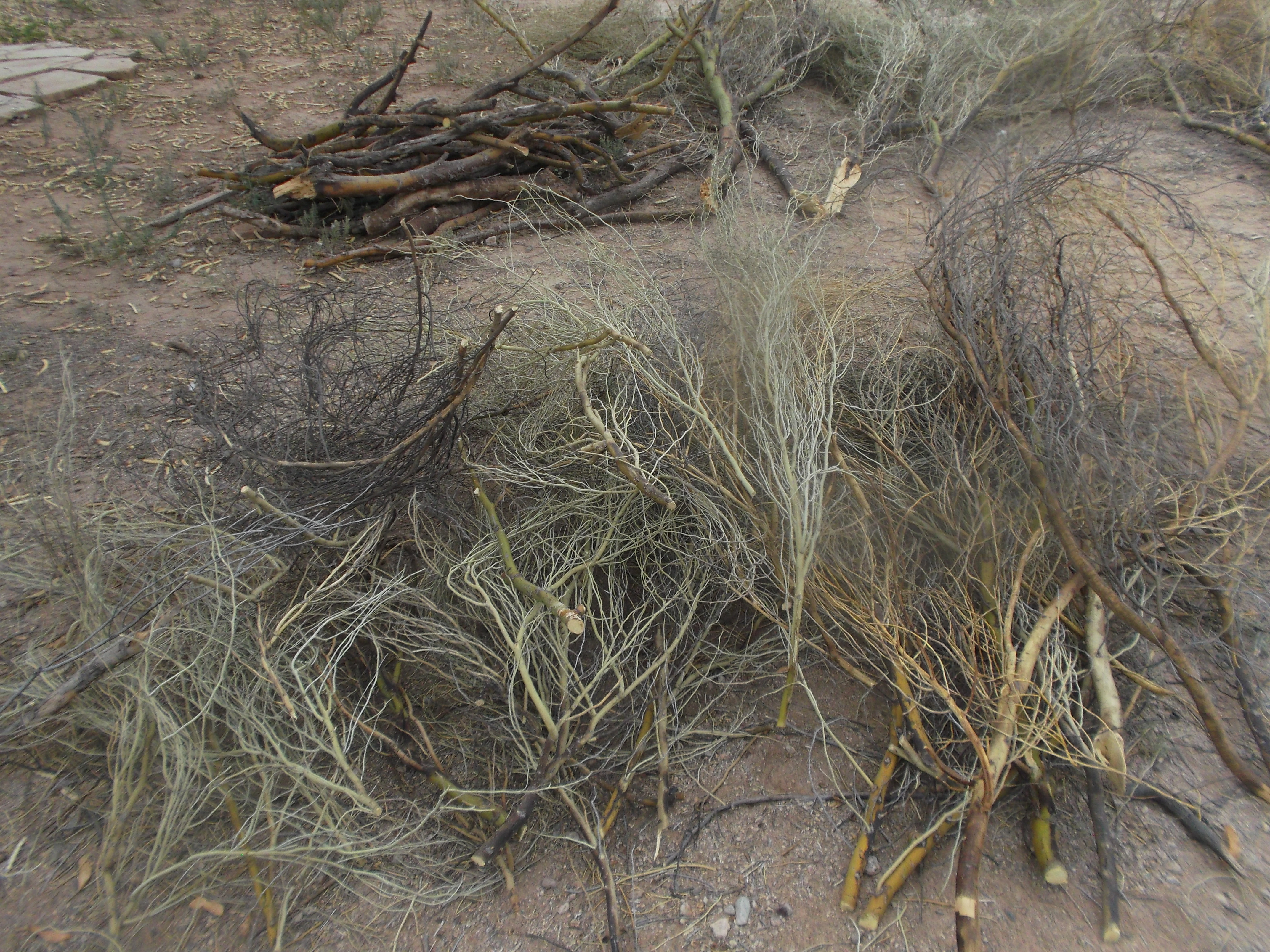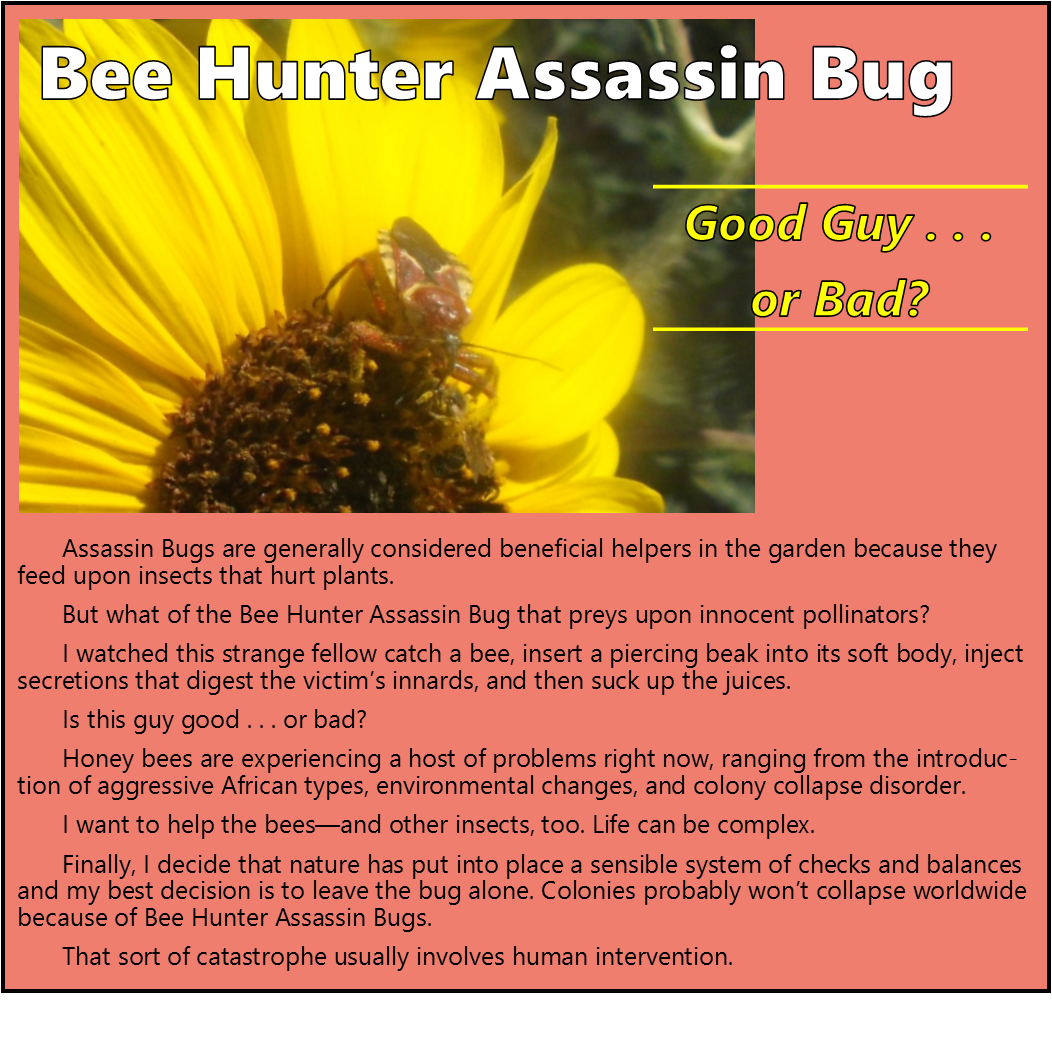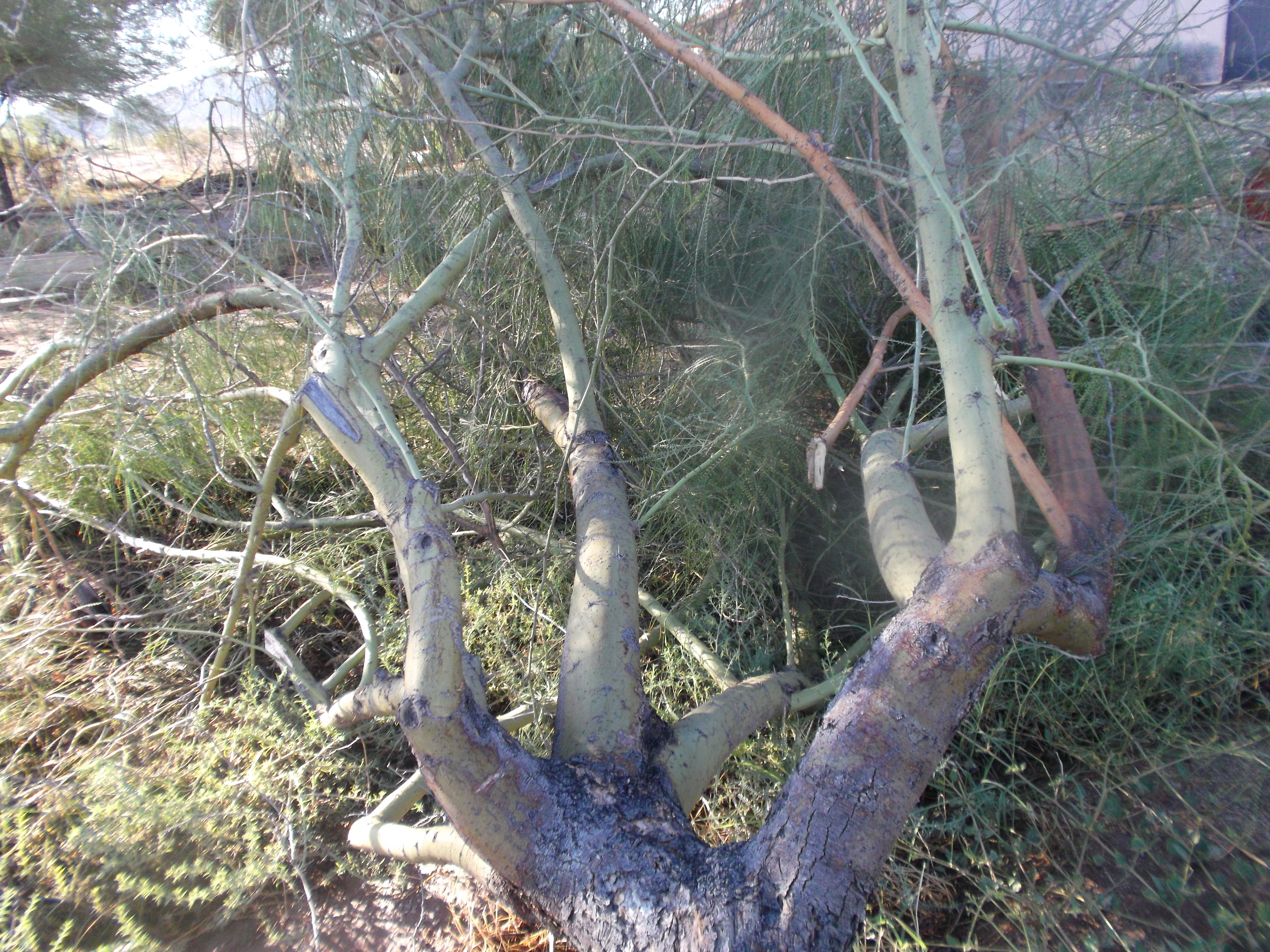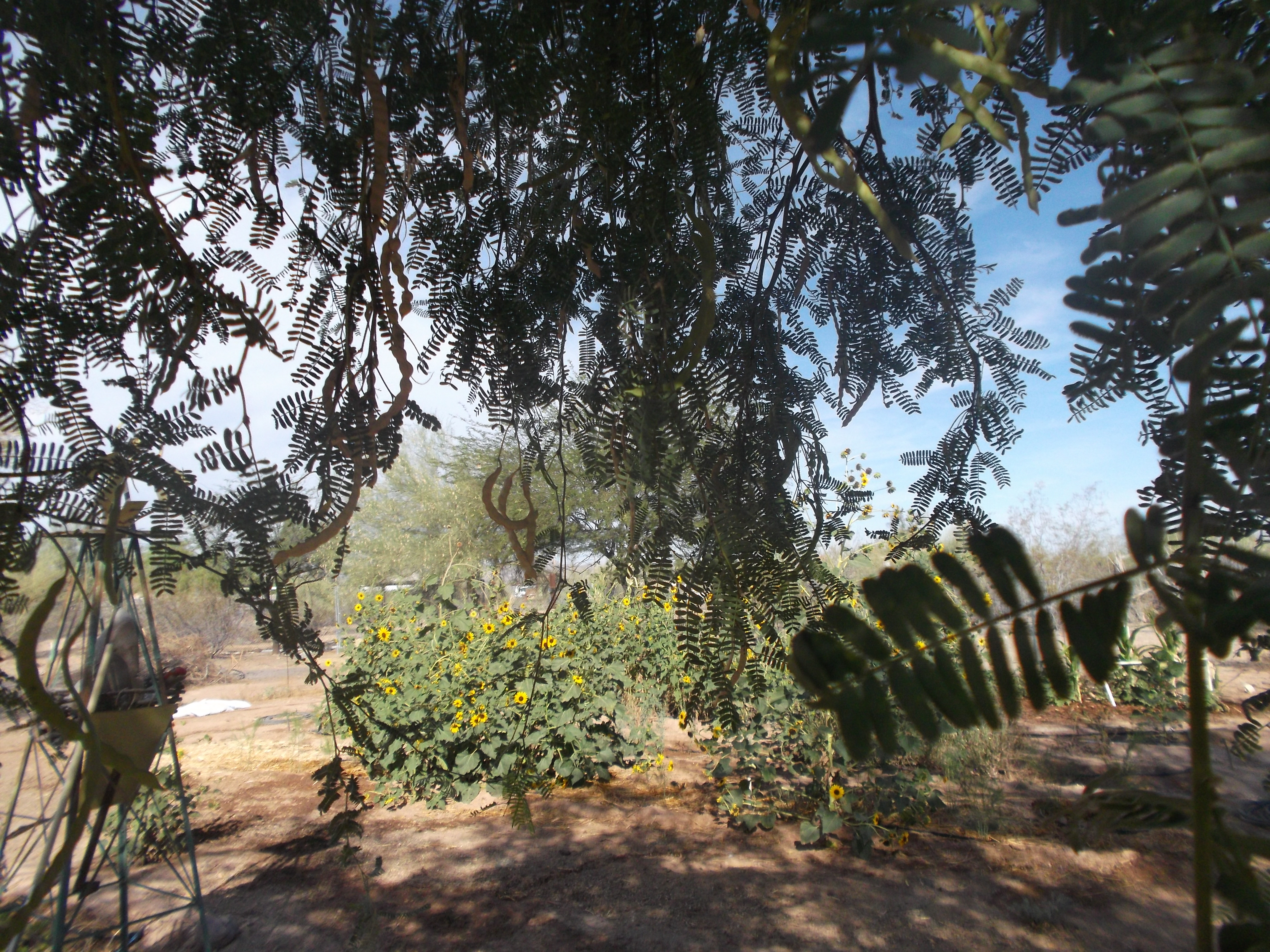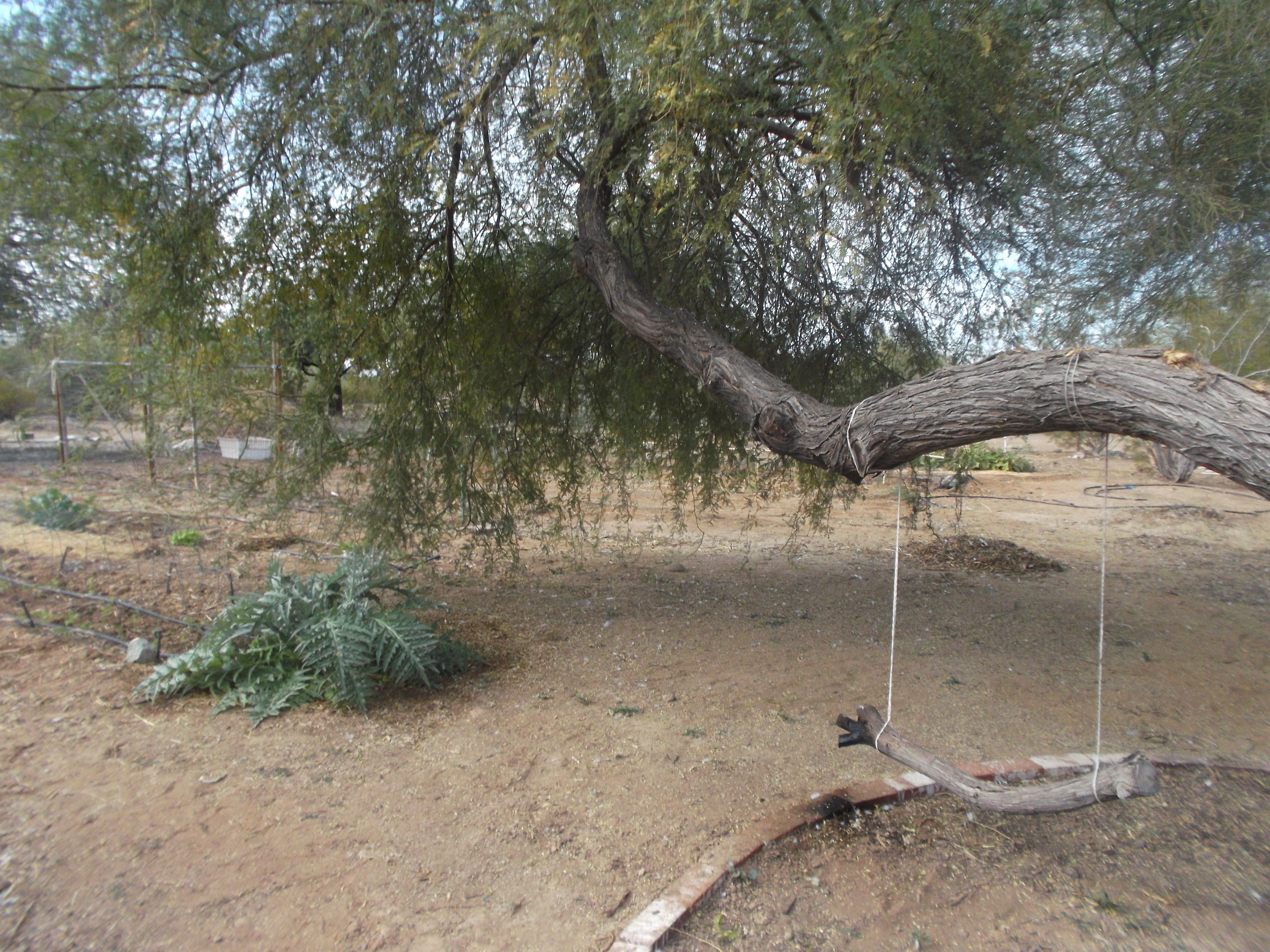
“I look out over the property and all I see is work that needs done,” my husband complains. When you have a small farm, this is often true. A recent microburst, however, has complicated our landscape and canceled any weekend plans we might otherwise have had—for a long time. Continue reading From Branches to Mulch→
During the Arizona monsoon, each evening is blessed with the possibility of dust, rain, and thunderstorms—and sometimes localized weather anomalies, called microbursts.
Some of my grandmother’s recipes are treasured heirlooms.
She made chocolate cream pies, for example, with a double-boiler. I want to pass this recipe along to my children, together with old-fashioned cooking methods my Mamaw used.
When it comes to home canning, however, my grandmother’s methods are outdated and may be dangerous! The USDA maintains updated guidelines based on the most recent science-based information about safe home-canning practices. Antique recipes and techniques may be unsafe.
A wide-brimmed garden hat shades my head, a soft bandana covers my neck, and sunblock protects my delicate skin. I water the garden and feed the goats and turkeys early in the morning while the sun barely peaks over the horizon. By the 9:00 am, it will be too hot to be outside.
Warm spring breezes waft through my Arizona garden, telling my vegetables that a change of season lies ahead.
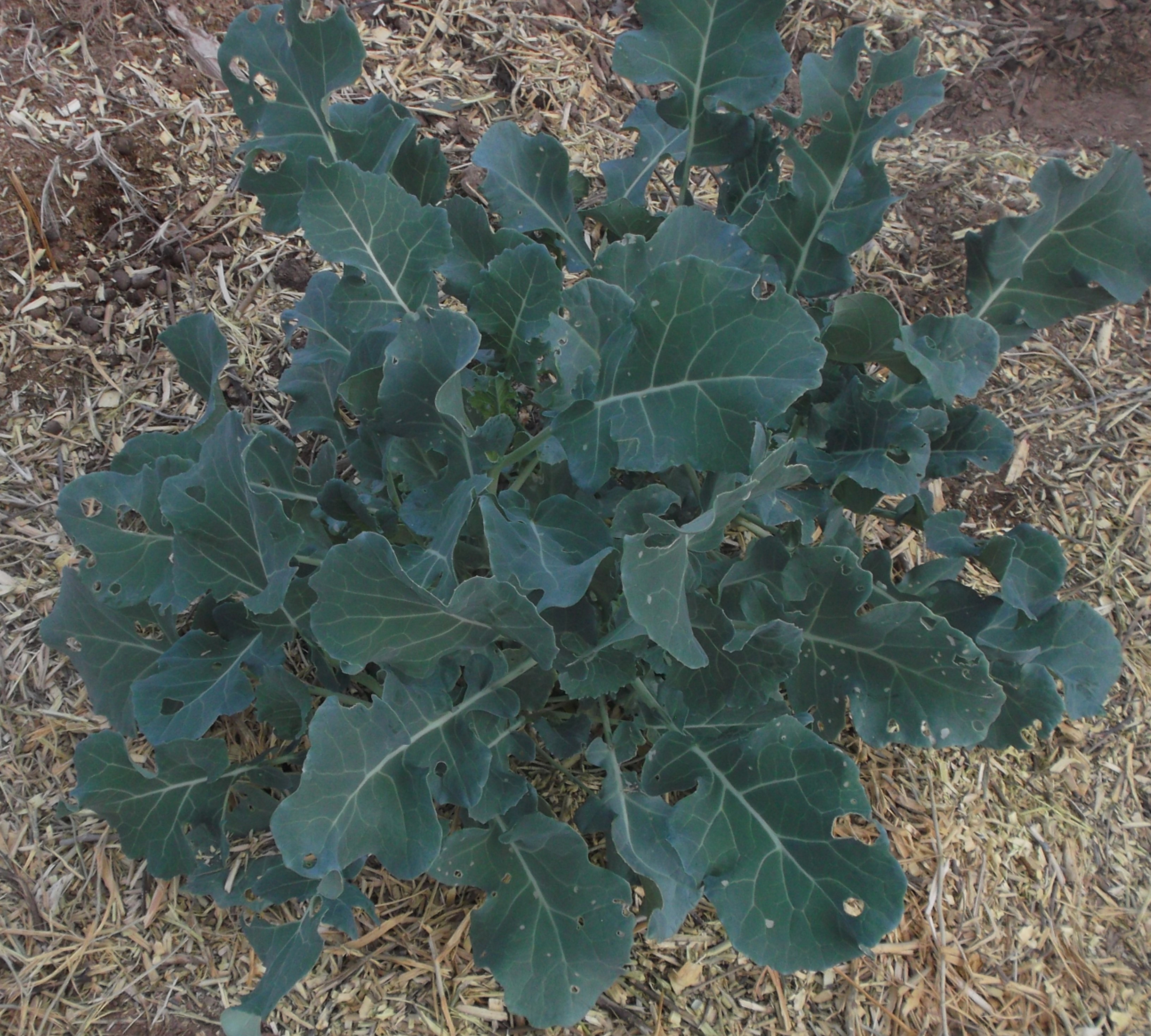
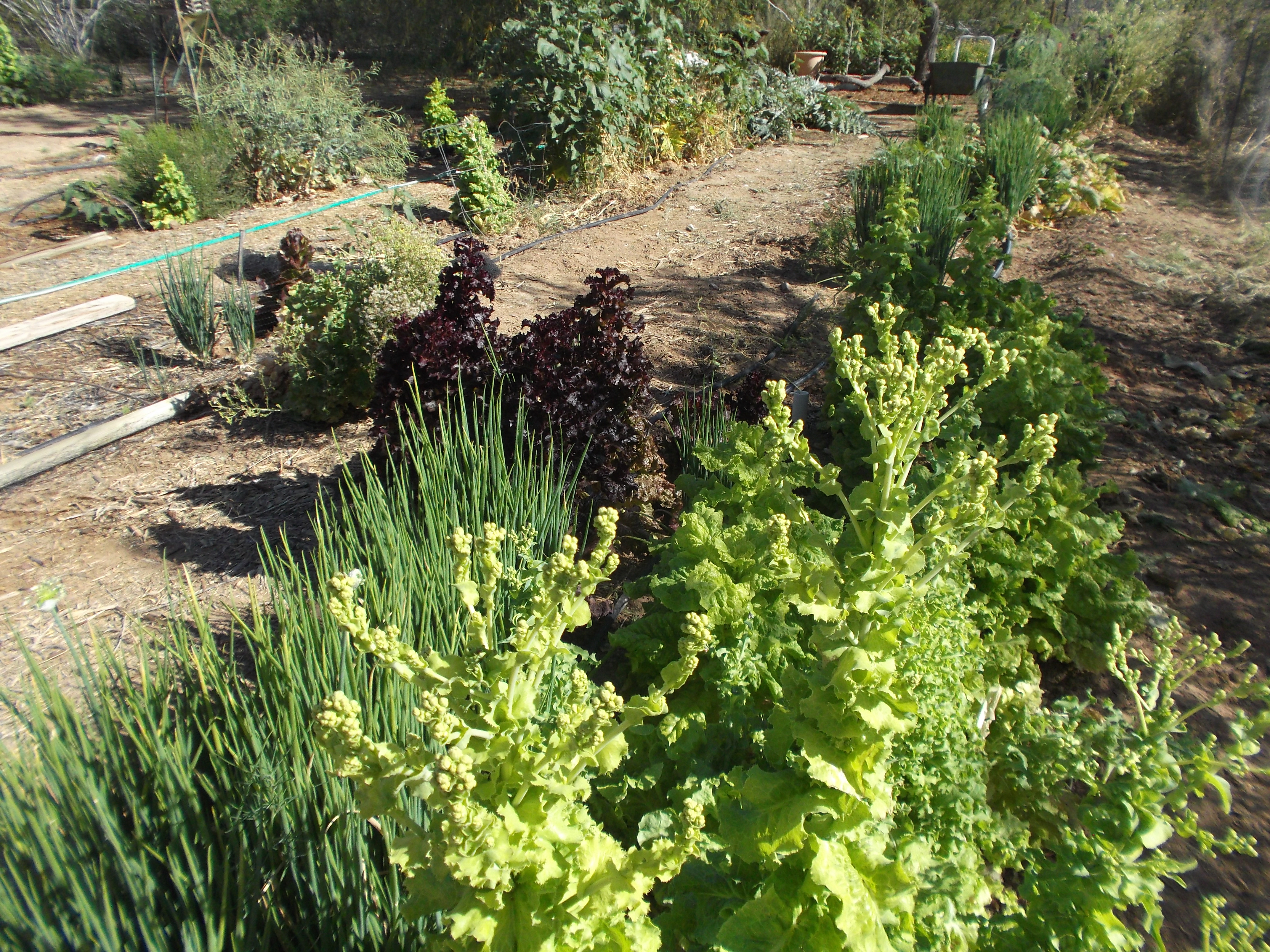
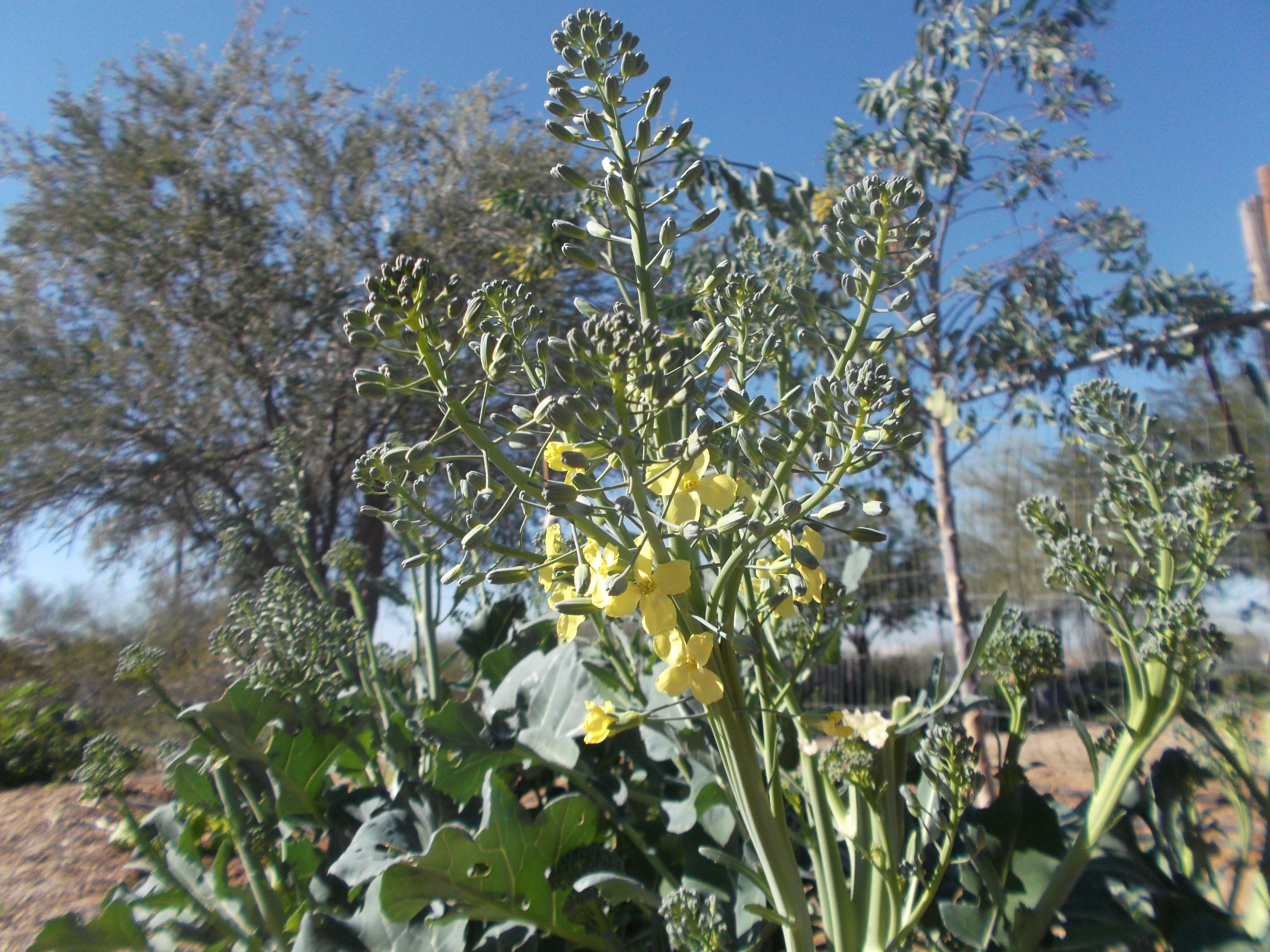
The broccoli sown last fall begins its reproductive cycle. Nature tells it to lift upwards to the sky, flower, and set seed. Many plants turn bitter when this process begins and must be pulled out of the garden. Broccoli, however, retains its flavor better than some veggies, such as lettuce.
The heirloom varieties I grow produce one small central head. After removing the crown, I leave the plant in the garden to produce small offshoots (two – three inches wide). Production continues until the weather becomes too hot.
I use a colander and a sharp knife each morning to harvest offshoots. If any stems have begun to flower, I snip them off and give them to the chickens or compost them. Trimming the plants each day keeps the crop in production, extending the harvest. I gather more produce from the offshoots than from cutting the central heads.

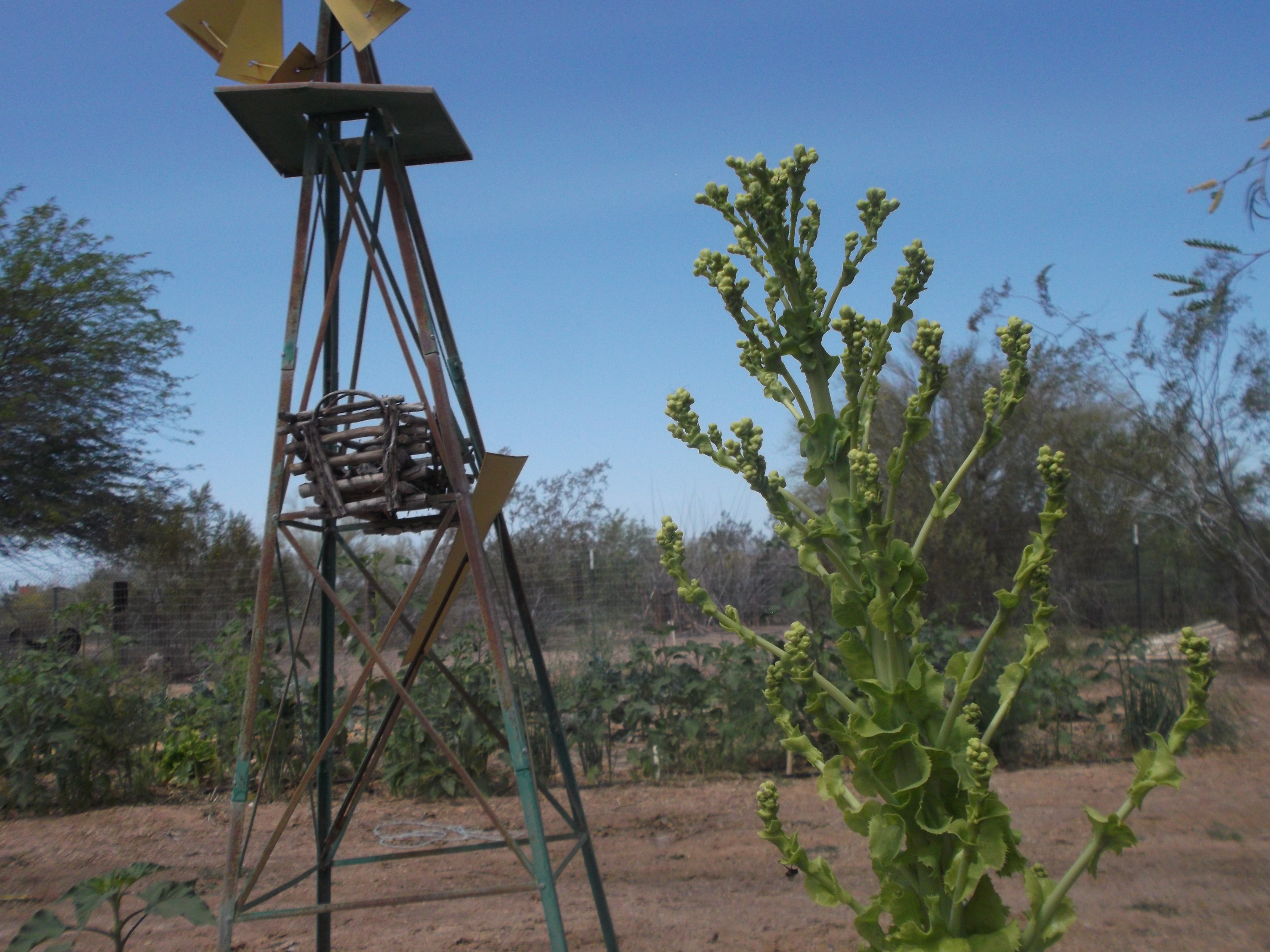
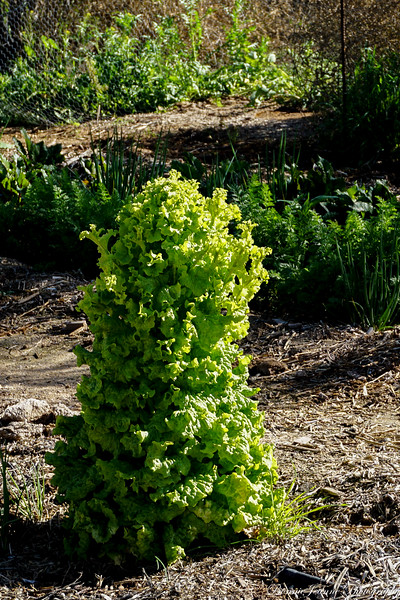
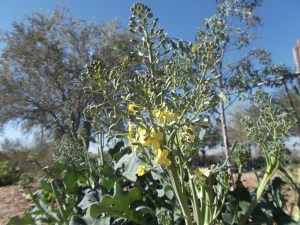
No, it’s not a tree at all! Just a lettuce plant reproducing.
My grandmother would have said the little guy was “going to seed.” As the plant matured, an ancient process encoded in its DNA caused the stem to elongate and push skyward. Flower buds formed on the top and will soon burst open. This process also caused the leaves to taste bitter.
I don’t harvest the best plants in the garden, but leave them alone to produce seed for next year.
This is another picture taken by my friend, Bonnie Wright, during her last visit. (Bonnie Wright’s Photography)
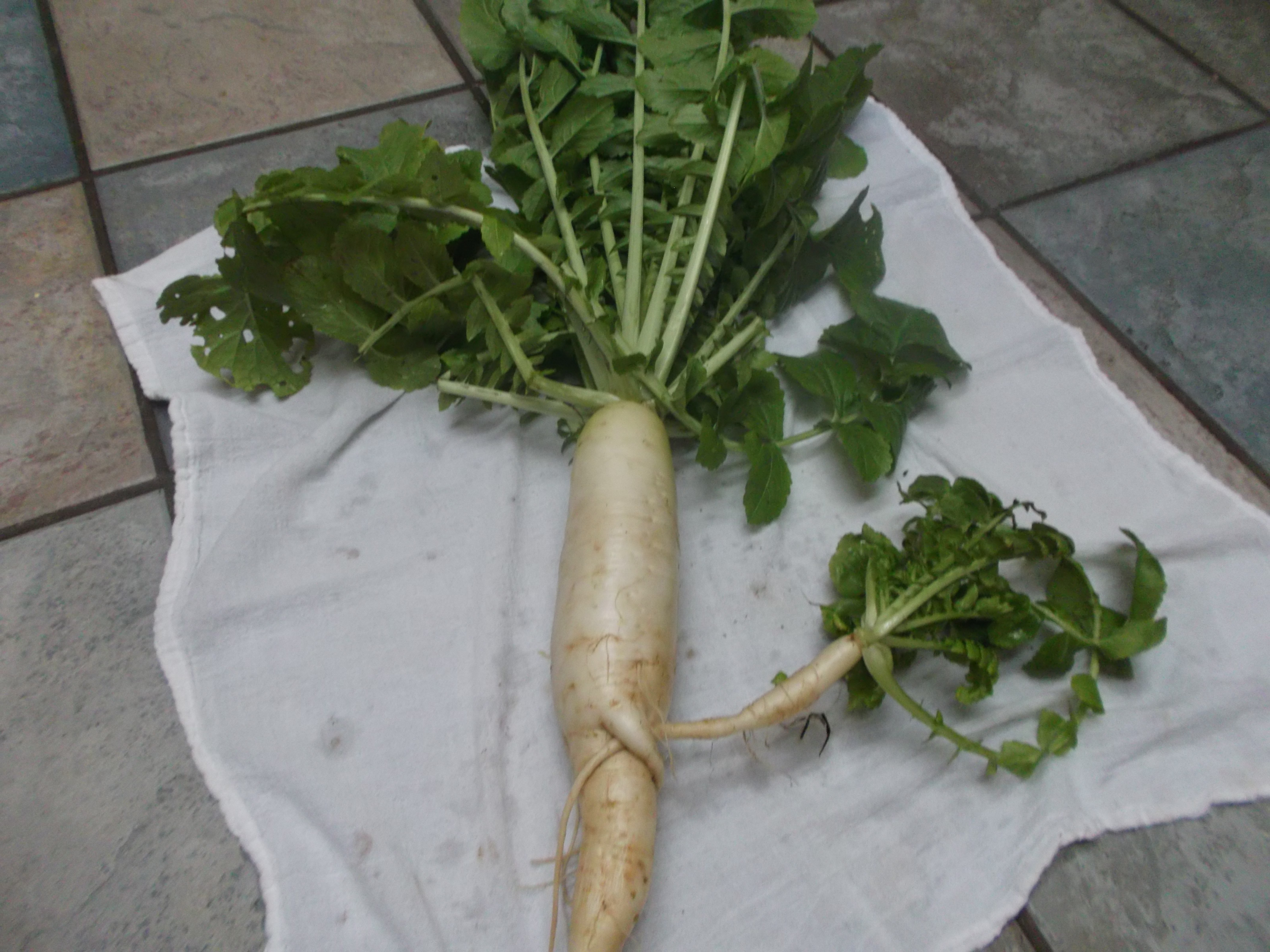
This Boule d’Or Turnip is often called a “Golden Ball.” The arid Arizona climate and sandy soil encouraged this odd fellow to reach deep into the earth rather than form the traditional ball. The root of this little guy also grabbed his neighbor and strangled him to death! It’s survival of the fittest out there in the garden! Continue reading Belligerent Turnip→
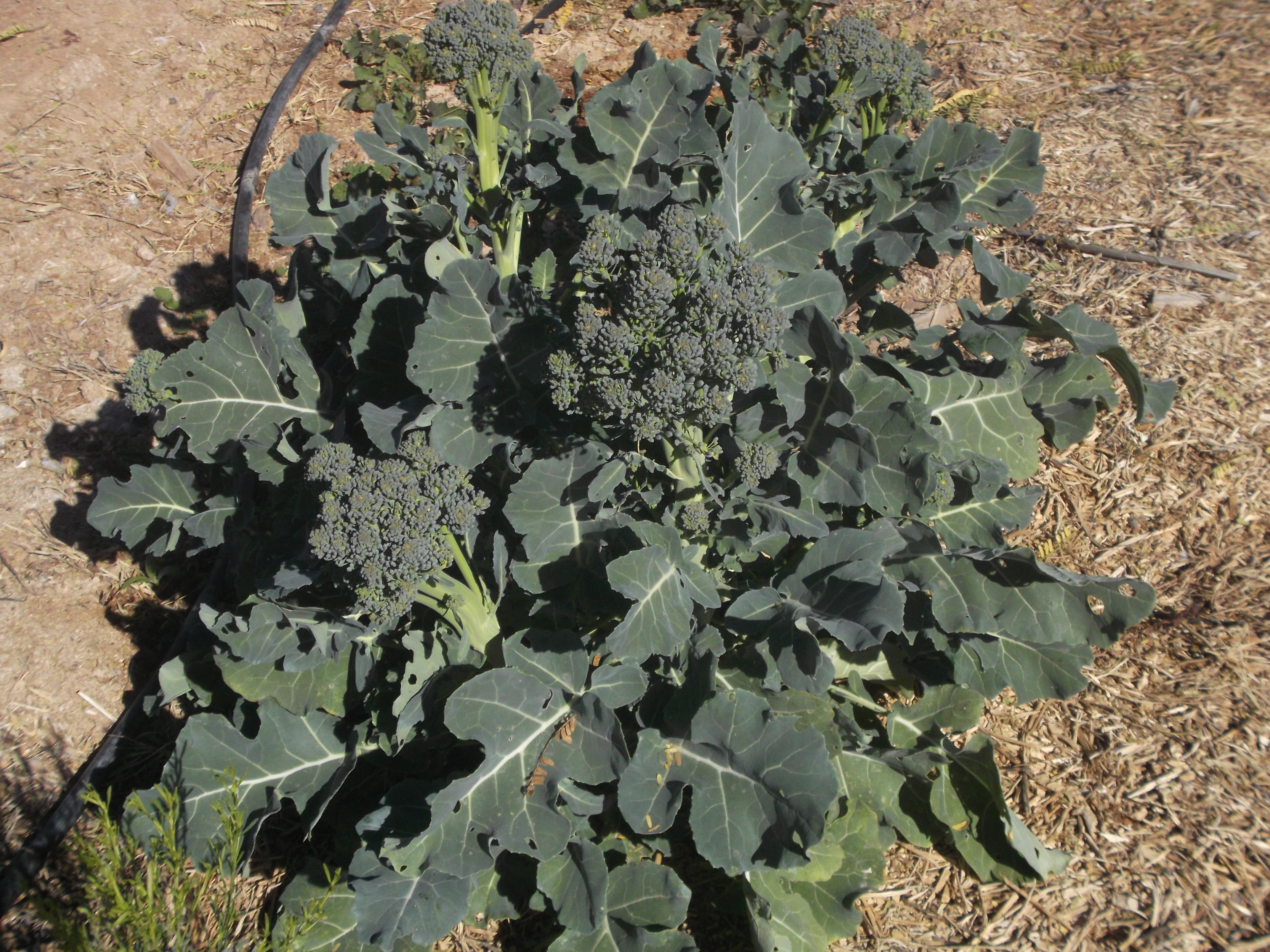
I harvested the first of the season’s broccoli…but it was on last year’s plant.
The row of broccoli I planted this fall in my Arizona garden isn’t producing yet. This tough guy, however, survived from last year, through constant triple-digit summer temperatures, to leaf out and produce for the second season. Continue reading Last Year’s Broccoli→
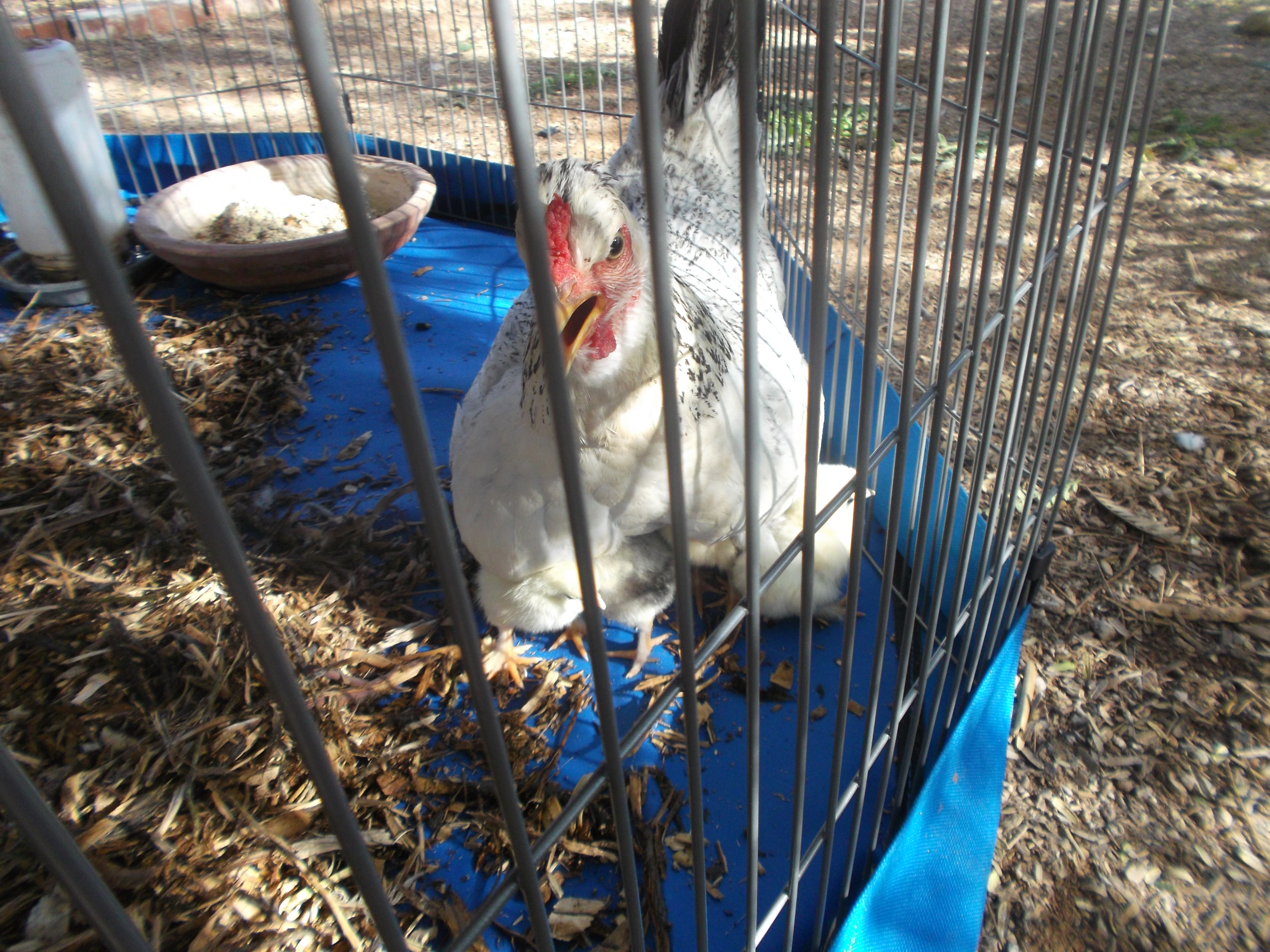
I must have talked to about 800 children today at a fair at Garden Lakes Elementary School in Avondale. All of their faces beamed with joy at the fluffy bundles in the cage.
I told them the story, “A mother hen laid one egg each day until the nest was full. Then she just sat on them for three weeks. The weather was very cold, but she didn’t move. Finally the babies hatched! But the nights were still cold. So the hen gathered them under her feathered arms and snuggled them all night.”
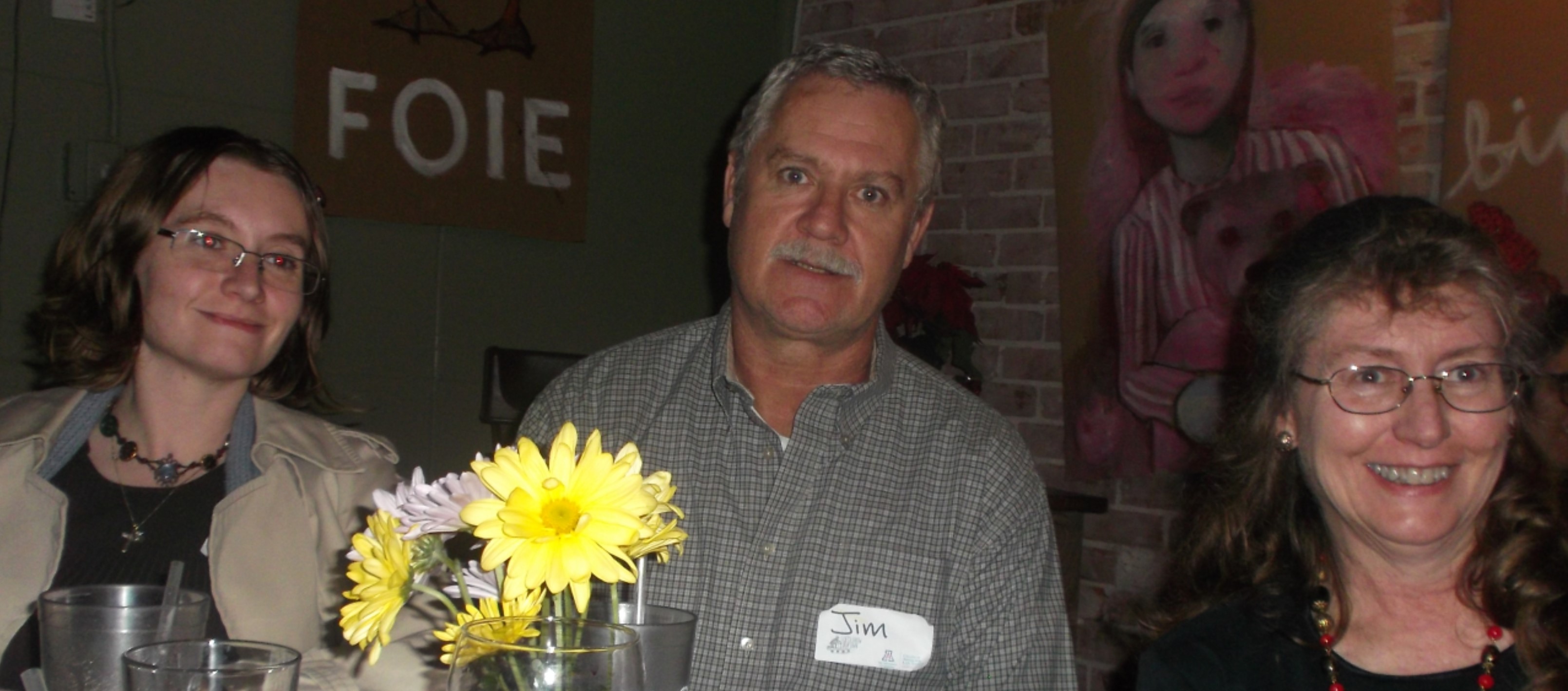
Donna Hamill pictured with husband Jim and daughter Tiffany.
The awesome speaker (not pictured) was Dr. Gary Paul Nabhan.
The internationally-renown author spoke on January 12 to a group of beginning farmers about the challenges and opportunities for producers growing for local markets. The mixer was presented in association with the University of Arizona Cooperative Extension, Maricopa County, Master Farmers Program.
I was pleasantly surprised when the world-famous Gary Paul sat at our table briefly to sign my books (three of my least-tattered copies). I will treasure that moment forever! Continue reading I was enchanted! Can you tell?→
Being a brand-new website, I expected the readership of GHG to be almost exclusively local. What a wonderful surprise this morning when I receive the 2014 site summary from WordPress.com documenting the countries of origin for the site’s audience.
That’s 48 countries in all!
Most visitors came from The United States. Brazil & Italy were not far behind.
Wow! Thank you all for joining my family (and Gnome) in our humble Arizona garden. Of course, the real star is our rare onion friend, the Tohono O’odham I’itoi. It is he who drew the most visitors-and that’s exactly how it should be.
Some gardening books say these particular plants don’t like the southwest desert. Maybe that’s why, in spite of being an avid vegetable gardener, I’ve never tried to grow them before. This one-year-old specimen represents my first artichoke experiment—the little guy thrives! Continue reading →
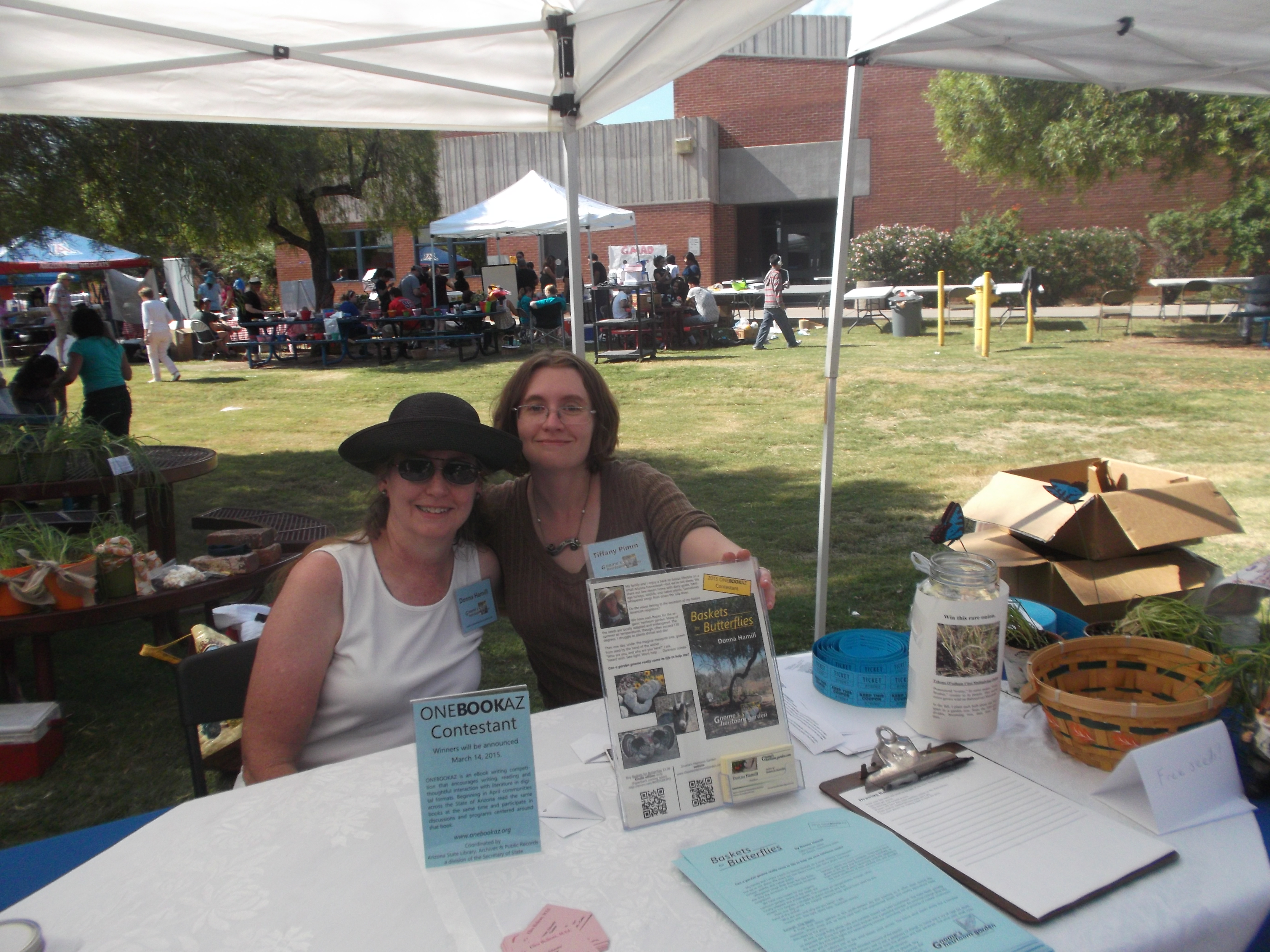
The lady in the picture with me is my editor (my older daughter, Tiffany). She and I had a wonderful time at the Fall Festival at Metro Tech High School Saturday.
This event is sponsored cooperatively by the school and the Maricopa County Master Gardeners. Tiffany and I have been attending together for a number of years because this is a great place to buy unusual plants. This year, for example, I purchased a Yellow Tropical Milkweed as an addition to my monarch garden. Continue reading Metro Tech Fall Festival and Plant Sale→
So many heirloom vegetables stand near a dangerous precipice, ready to drop into the darkness of extinction. In my book, Baskets for Butterflies, the story of this rare onion illustrates the importance of saving heirloom plants.